How to Make a Quick Simple Tomato Sauce

quick tomato sauce

quick tomato sauce

Maybe when I was 17, away at college, and wanting to feel like a cook…maybe…I bought a jar of Ragu. I know I can imagine what it tastes like, so I must have bought one once.

But never again. What’s the point? When you can outdo that taste so easily. When you can make your own tomato sauce in 15 minutes.

I had so much fun making this short video of how-to make your own simple quick (and delicious) tomato sauce.

I’ve probably bubbled this up thousands of times. Not only for pasta, but to slip in a few fillets of fish. Or spoon on an eggplant parmigiano. Or to top a pizza. It goes everywhere!

Simple Tomato Sauce

2-3 tablespoon olive oil

1 small onion, cunt into small dice

1 garlic clove, minced

1/4 cup dry white wine

1 28-oz can crushed tomatoes

3-4 sprigs fresh herbs, i.e. basil, sage or oregano (optional)

salt & pepper to taste (pinch hot pepper, optional)

Heat the oil in a medium saucepan. Add the diced onion. Cook until softened, about 3-4 minutes. Add the minced garlic. Cook for about a minute until fragrant (but not browned). Add the wine. Let it almost completely evaporate. Then add the tomatoes. Stir to combine. Season with salt & pepper. Simmer for about 10-15 minutes. Add  fresh herbs before serving.

Falafel…send your taste-buds to other lands

frying the falafel

frying the falafel

I first tasted falafel in my 20’s at a Greek restaurant in Huntington, LI. I immediately fell in love. With its condiment of a tahini-yogurt sauce, the dish can’t help but sweep you away to foreign lands. (Where I am always game to be swept.)

I’ve tried different recipes over the years for making them at home, but stopped searching when Mark Bittman published his recipe in the New York Times some years ago. His recipe uses dried chickpeas that are soaked overnight, and quite a bit of parsley…so that the inside of these morsels of goodness look green.

No worries. They are supposed to. And the taste is perfect every time.

Native to the Middle East, falafel is found across countries…Lebanon, Syria, Egypt, Israel, Jordan, everywhere. Tucked into pita bread, or as a snack, or part of the antipasto table (mezze table), they know how to fit in perfectly. If you make a batch, and have any leftover, they are great as a bite right from the fridge.

And then there’s that taste-bud flight to another land. Falafel will always transport you. No passport needed.

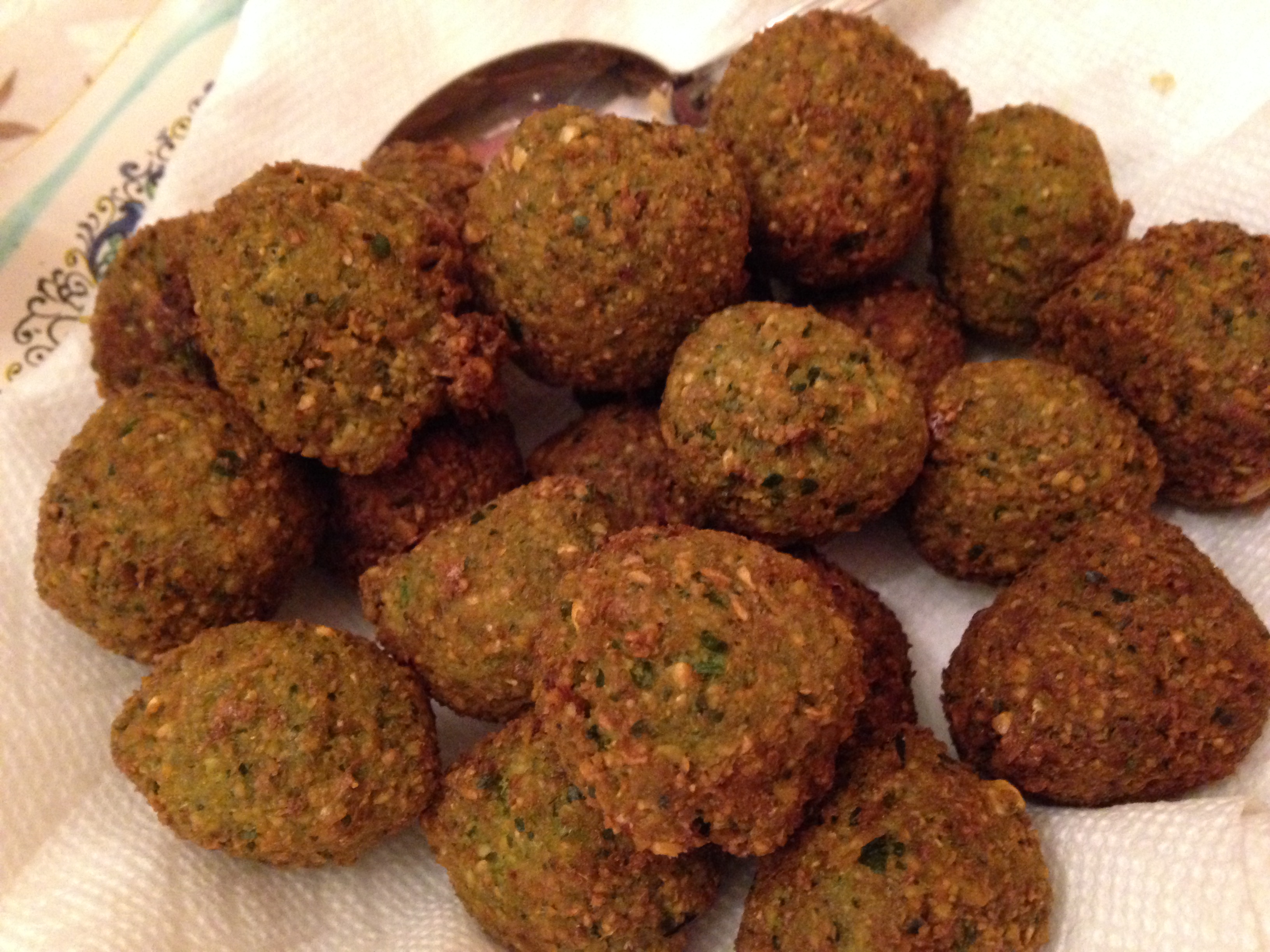
falafel - ready to eat

falafel – ready to eat

Falafel w Yogurt-Tahini Sauce

1 ¾ cups dried chickpeas

2 garlic cloves

1 small onion, quartered

1 teaspoon ground coriander

1 tablespoon ground cumin

cayenne to taste

1 cup chopped parsley

½ teaspoon baking soda

1 tablespoon lemon juice

salt & pepper to taste

canola oil for frying (about 2 cups)

Sauce:

½ pint plain yogurt (Greek is best)

2 tablespoons tahini

juice of ½ lemon

salt to taste

Place the chickpeas in a medium mixing bowl. Cover with water about 2-3 inches above surface of chickpeas. Let stand for 24 hours. Add more water if it absorbs sooner. Drain, but reserve any extra water. Chickpeas will still be a little hard.

Add chickpeas, garlic, onion, spices, parsley, baking soda, and lemon juice in the bowl of a food processor. Pulse until minced, not pureed. Scrape down the bowl. Add a little soaking water if needed to help it process, but limit the amount of water – less is better or they may not stick together while frying.

Heat the oil in a heavy-bottomed medium saucepan. Oil should be at least 2 inches deep – more is better. Heat to 350 degrees or test with a little piece of mixture. If it sizzles immediately and bounces to the top the oil is ready.

Scrape out mixture into a mixing bowl. Form small balls with the mixture. Deep fry a few at a time. Cook until nicely browned, turning them carefully – less than 5 minutes. Drain on paper towels. Serve hot or at room temperature.

Sauce:

Mix together all the ingredients. Use as a condiment to the falafel.

Black & White Cake? Black & White Cookie?

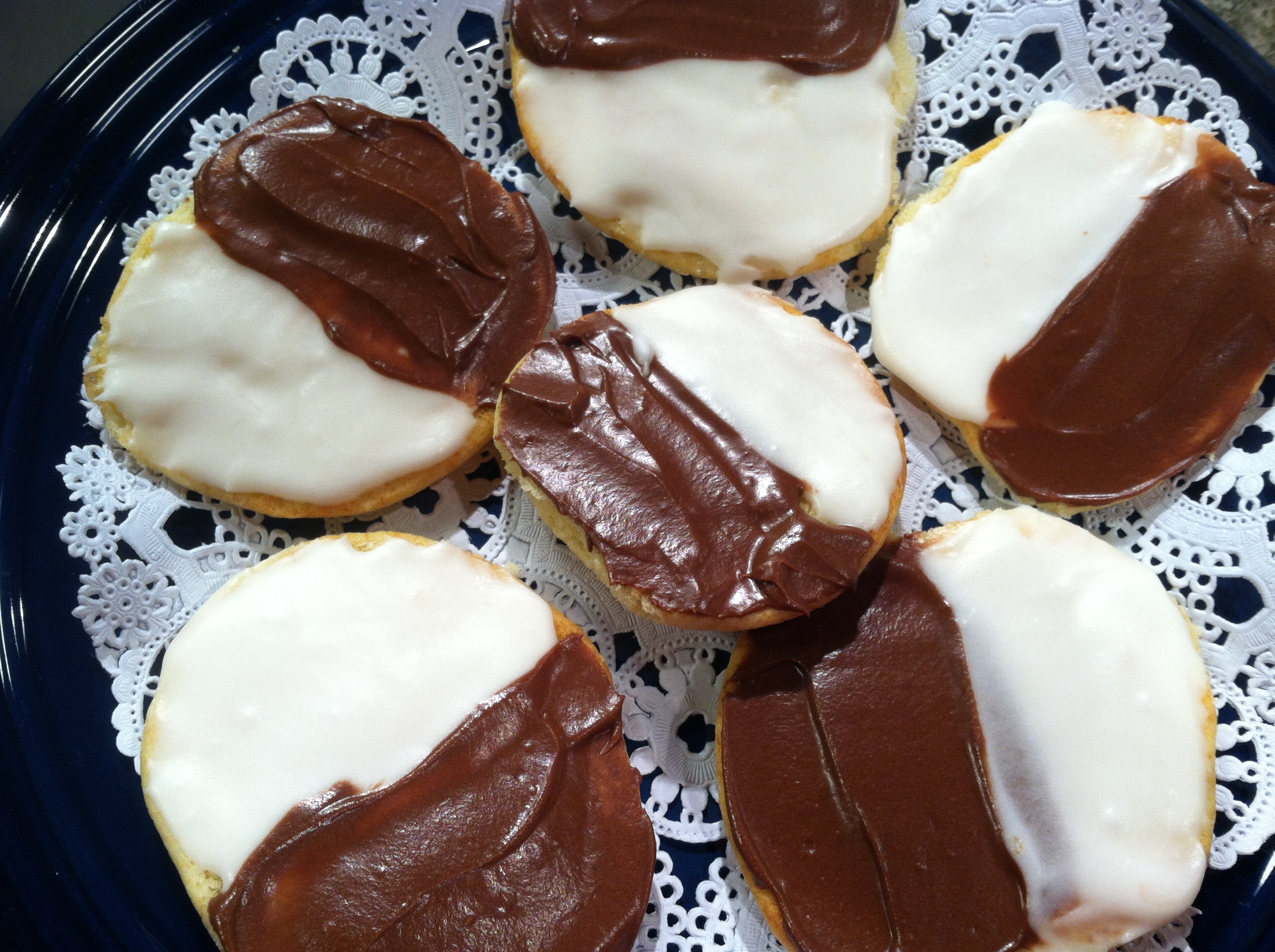
mini black and white cakes

mini black and white cakes

I think it depends on where you are from. Growing up in NY we knew these as black & white cakes. They were usually a good 6 inches in diameter. One half iced with chocolate, the other with vanilla icing. I always loved the chocolate side, and ate the vanilla side first so I could end with the best.

Now we make them at home (and in class) and we make them small — about 2-3 inches in diameter. So you can eat them in about 3-4 bites and each bite can be a combo of chocolate and vanilla.

Yes, this is one of those treats where the eating of it is kinda part of the recipe!

Often, people who come to my class don’t know these cakes. Or they do and say:”I thought they were black & white cookies?” A couple of people knew them from Disney World (???) and then a couple knew them from watching Seinfeld.

icing the black and white cakes in class

icing the black and white cakes in class

But here’s the recipe and a SECRET: my mother figure out how to make them — she transformed her forever-cupcake batter into black & white cake batter with a tiny adjustment. I won’t point out where the adjustment lies (you may figure it out) because I’m not in the habit of giving away ALL secrets!

Mini Black & White Cakes

1 stick butter

3/4 cup sugar

2 eggs

1 teaspoon vanilla

3 tablespoons milk

1 1/2 cups flour

2 1/4 teaspoons baking powder

pinch salt

Vanilla Icing:

2 tablespoons unsalted butter, room temperature

1 cup powdered sugar

1/4 teaspoon vanilla

5-6 tablespoons very hot water, as needed

Chocolate icing:

2 tablespoons unsalted butter, room temperature

1 cup powdered sugar

2-3 tablespoons unsweetened cocoa powder

1 teaspoon instant espresso (optional)

5-6 tablespoons very hot water, as needed

Preheat oven to 400 degrees F.

In the bowl of a stand mixer (or using a hand mixer) cream the butter and sugar together until smooth. Add the eggs one at a time until each is incorporated. Mix in the vanilla and milk. In a separate bowl whisk together the flour and baking powder. Add to the butter mixture and mix until just combined (don’t over-mix).

Line a sheet pan or cookie sheet with parchment. Spoon about 3 tablespoons of batter for each cake. Line them up with at least 1/2 inch in between. Bake until golden, about 10-12 minutes. Let cool, then gently peel from the parchment. Ice the flat side of the cake. Using a spatula, butter knife, or offset spatula, smooth half the cake with chocolate icing and the other half with vanilla. Let icing set before storing.

Make the vanilla icing: Smooth the butter in a medium mixing bowl. Add the sugar and vanilla and mix together with butter using a spoon. Drizzle a little hot water on the mixture and stir vigorously to make the icing into a not-too-thick, not-too-thin consistency. If too thin add more sugar. Too thick add more hot water.

Make the chocolate icing: Smooth the butter in a medium mixing bowl. Add the sugar, cocoa, and instant espresso and mix together with butter using a spoon. Drizzle a little hot water on the mixture and stir vigorously to make the icing into a not-too-thick, not-too-thin consistency. If too thin add more sugar. Too thick add more hot water.

this is my portion

this is my portion

It’s Christmas. Bake!

babka bread and rugelach

babka bread and rugelach

Have you all been keeping up with the Great British Baking Show? I LOVE it. Seems the season is over now (even tho the American version for Holiday Baking is on, but the show is not as good except for Mary Berry). Still, when I enter the kitchen with baking recipes in hand I think of the two hostesses barking “Bake!”

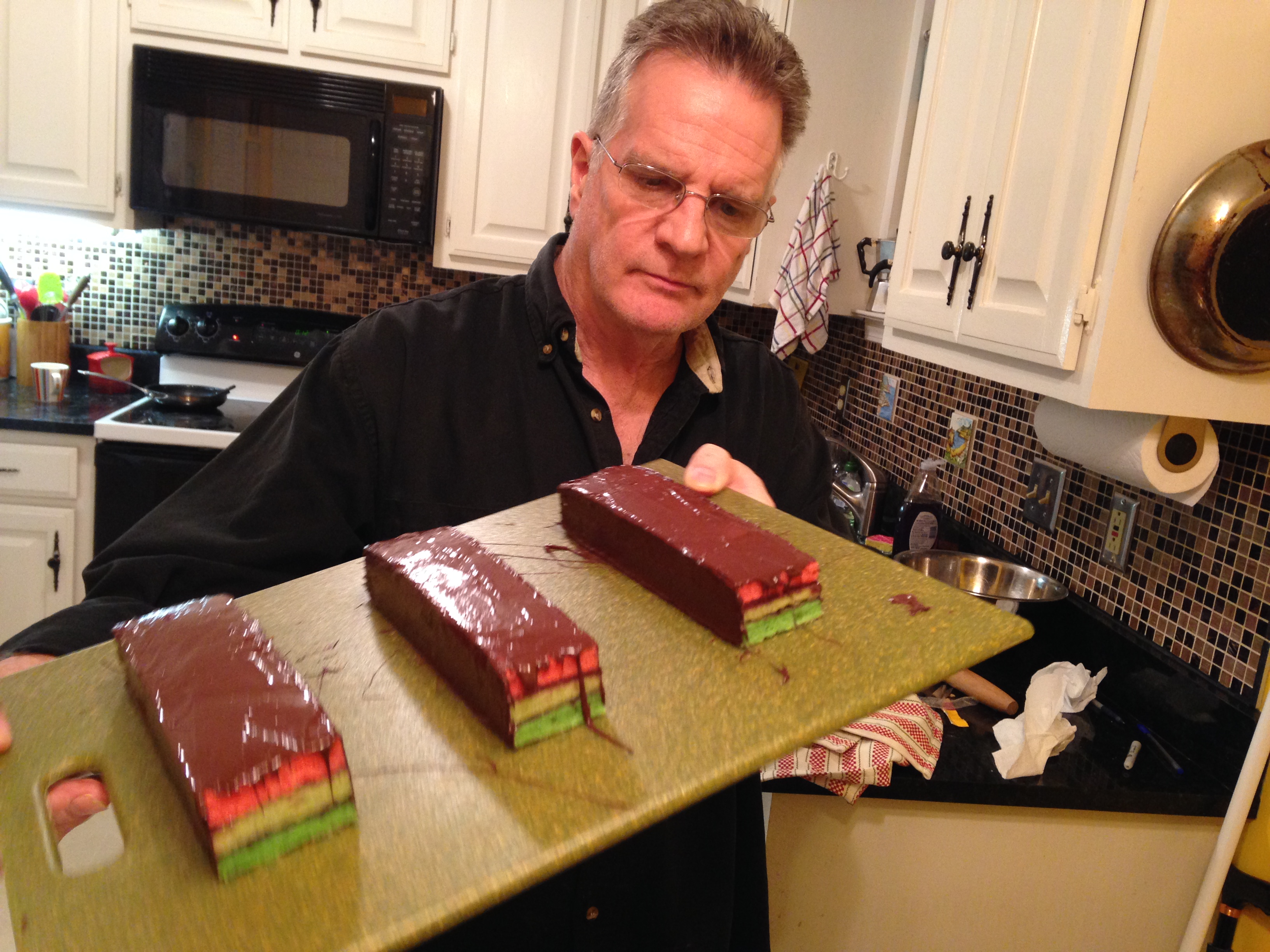
My go-to holiday cookie is the Italian Rainbow Cookie or Italian Flag cookie. A pretty involved recipe, but we dive in each year and send goodie tins to Duane’s kids and brother. We both dive in, because when it comes to the chocolate coating part that’s Duane’s job. He brings his building skills, and treats the melted chocolate and offset spatula like mortar and trowel. Excellent work. (He’s not available for hire.)

Duane applying the chocolate for rainbow cookies

Duane applying the chocolate for rainbow cookies

Duane applying chocolate

Duane applying chocolate

Duane surveying his work

Duane surveying his work

But this year I changed it up, In ADDITION to the rainbow cookies I made rugelach and a sweet bread recipe that is a cross between babka and challah. Both of these are Jewish-related confections and crept into my non-Jewish related Christmas kitchen because I LOVE these treats. Not being a sweet-sweet lover, these are a cross between breadish and sweetish. I find them absolutely irresistible and easily pass by a rainbow cookie to devour either the rugelach or babka/challah.

I didn’t make up these recipes. I’ve been tracking rugelach recipes for years and never dove in. Some recipes sounded good, some didn’t (as if you could taste by reading). I recently found one I wanted to try from the New York Times. Of course, I’m always changing things from recipes I source…I used strawberry jam instead, and my nuts were spiced with ginger & nutmeg.

Rugelach recipe by Emily Weinstein

rolling up the rugelach

rolling up the rugelach

little crescent rugelach

little crescent rugelach

right-out-of-the-oven rugelach ...yum

right-out-of-the-oven rugelach …yum

The babka-challah mashup I found in Bon Appetit. The picture alone had me. And the making of these elaborate breads is easier than it looks. The first time I made the recipe I made one large loaf as directed (and I think I ate the entire thing on my own) (over time). For Christmas, tho, I was able to make four smaller loaves with the same recipe.

Cinnamon-Chocolate BabKallah by Claire Saffitz

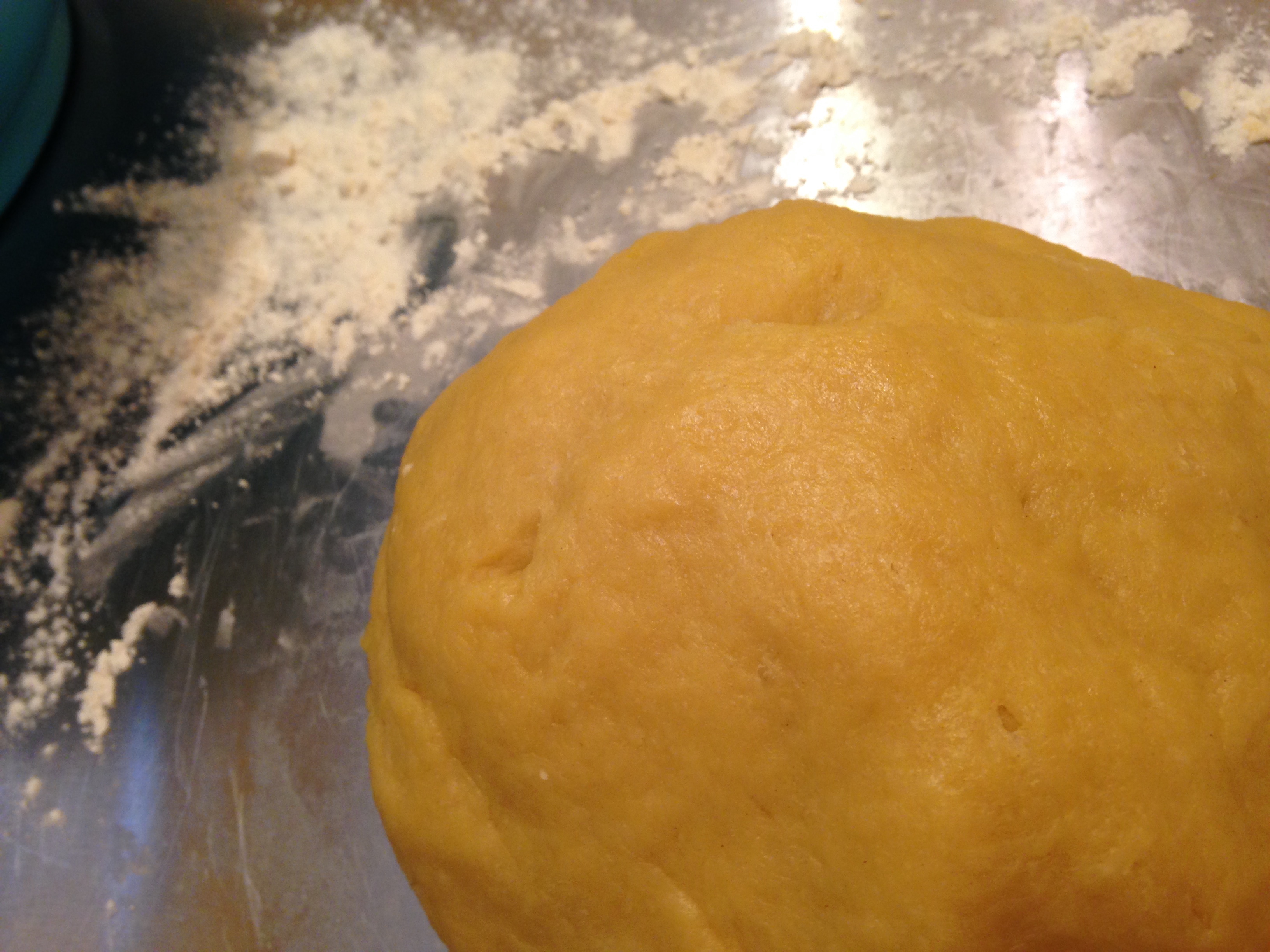
babka-challah bread dough

babka-challah bread dough

filling the braids

filling the braids

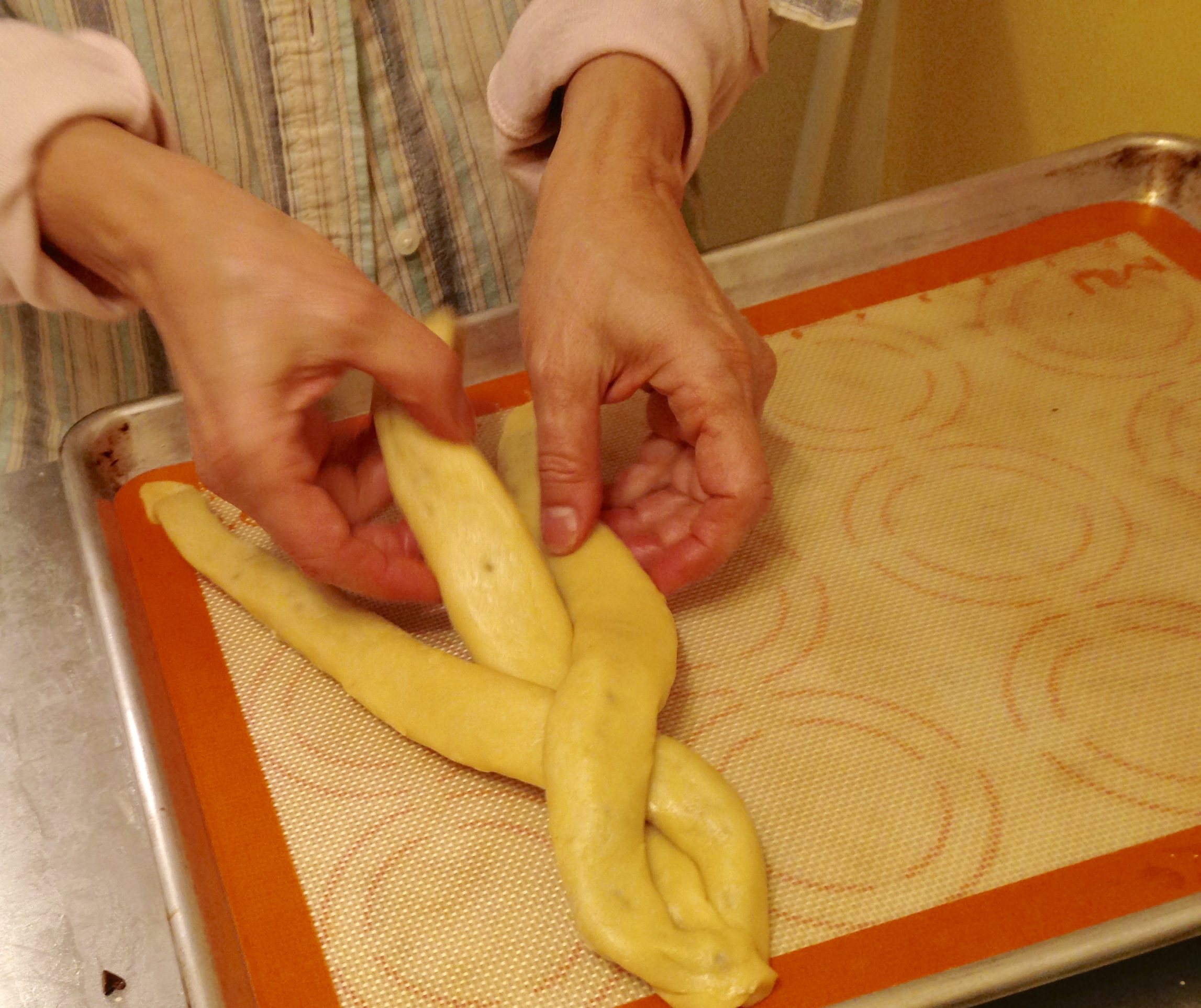
braiding the bread

braiding the bread

braided babka-challah

braided babka-challah

baked loaves

baked loaves

babkallah inside

babkallah inside

I know. Your mouth is watering. Well there’s only one way to satisfy that craving. Bake!

Aleppo Pepper…right next to the salt

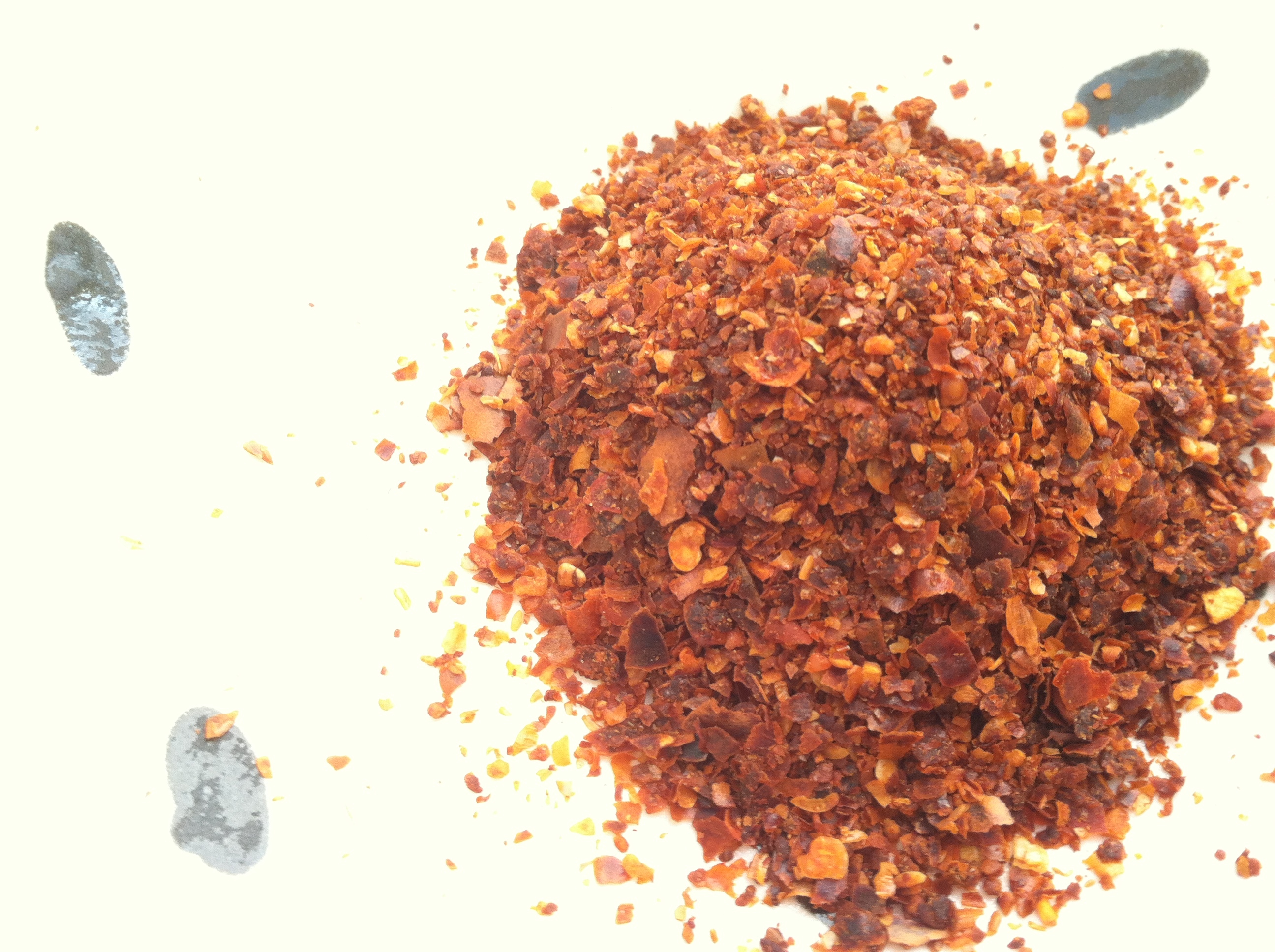
Aleppo Pepper

Aleppo Pepper

Aleppo pepper has crept into my cooking over the years and has become as much a staple as salt (overstatement — close to salt) (salt is THE most necessary seasoning condiment).

But consider: aleppo can be thought of as a hot pepper, but it’s not that hot. For me, it spikes the food not heats it. It gives it a LIFT. Wakes it up. Use more and you can get heat. But it’s a subtle heat…it’s a sleepy heat…it’s a heat that feels tame and feisty, too. The flavor is smoky and deep. Dare I say: perfect?

What do I use it on? Aleppo can jump into almost anything except the most delicate and I leave it out of desserts.

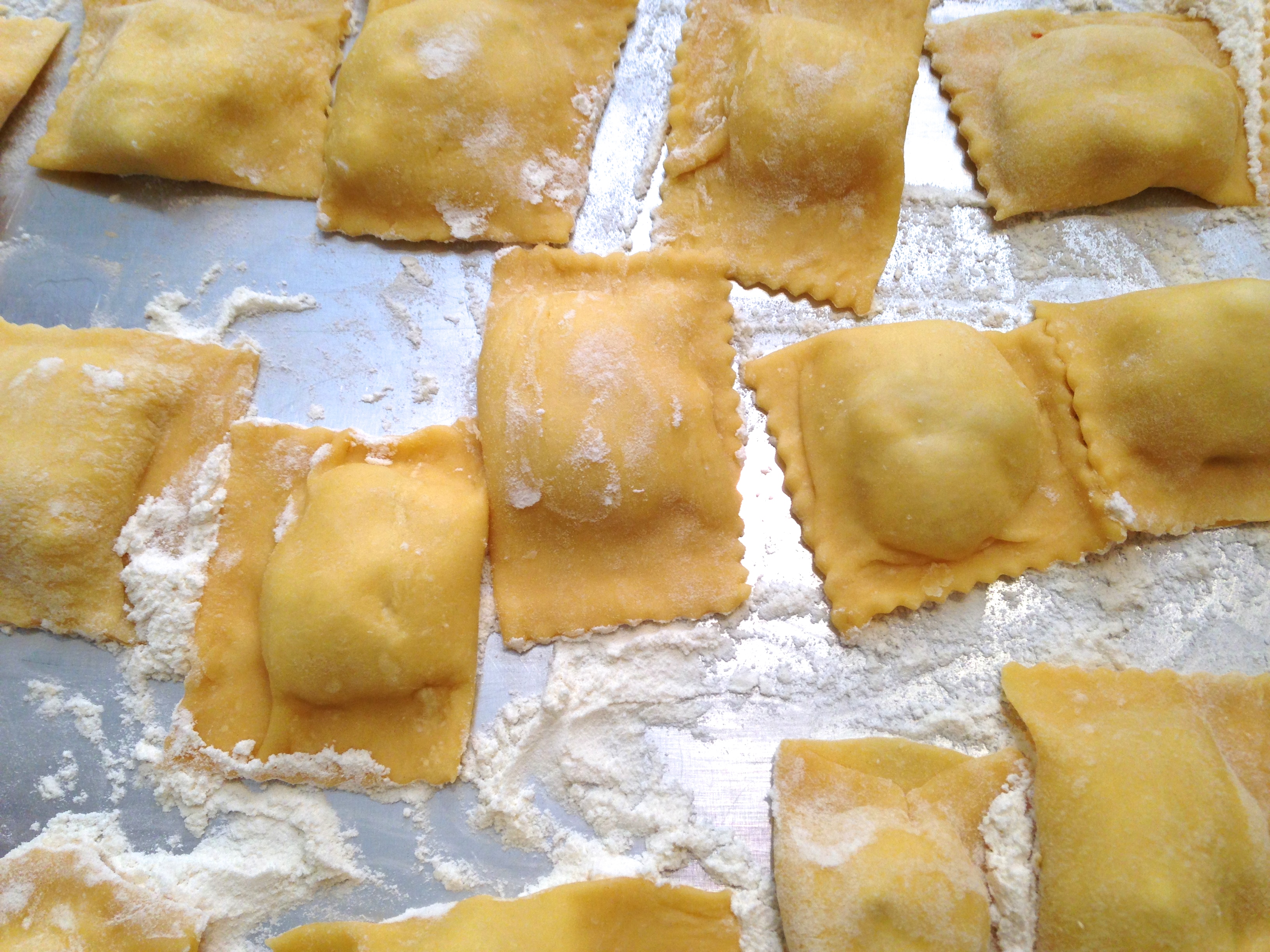
Making a ricotta filling for ravioli? A little aleppo gives it some pep. (You know how ricotta can be. Creamy, but needs salt…and aleppo).

ravioli

ravioli

Roasting some asparagus? A little aleppo wakes them up.

roasting asparagus

roasting asparagus

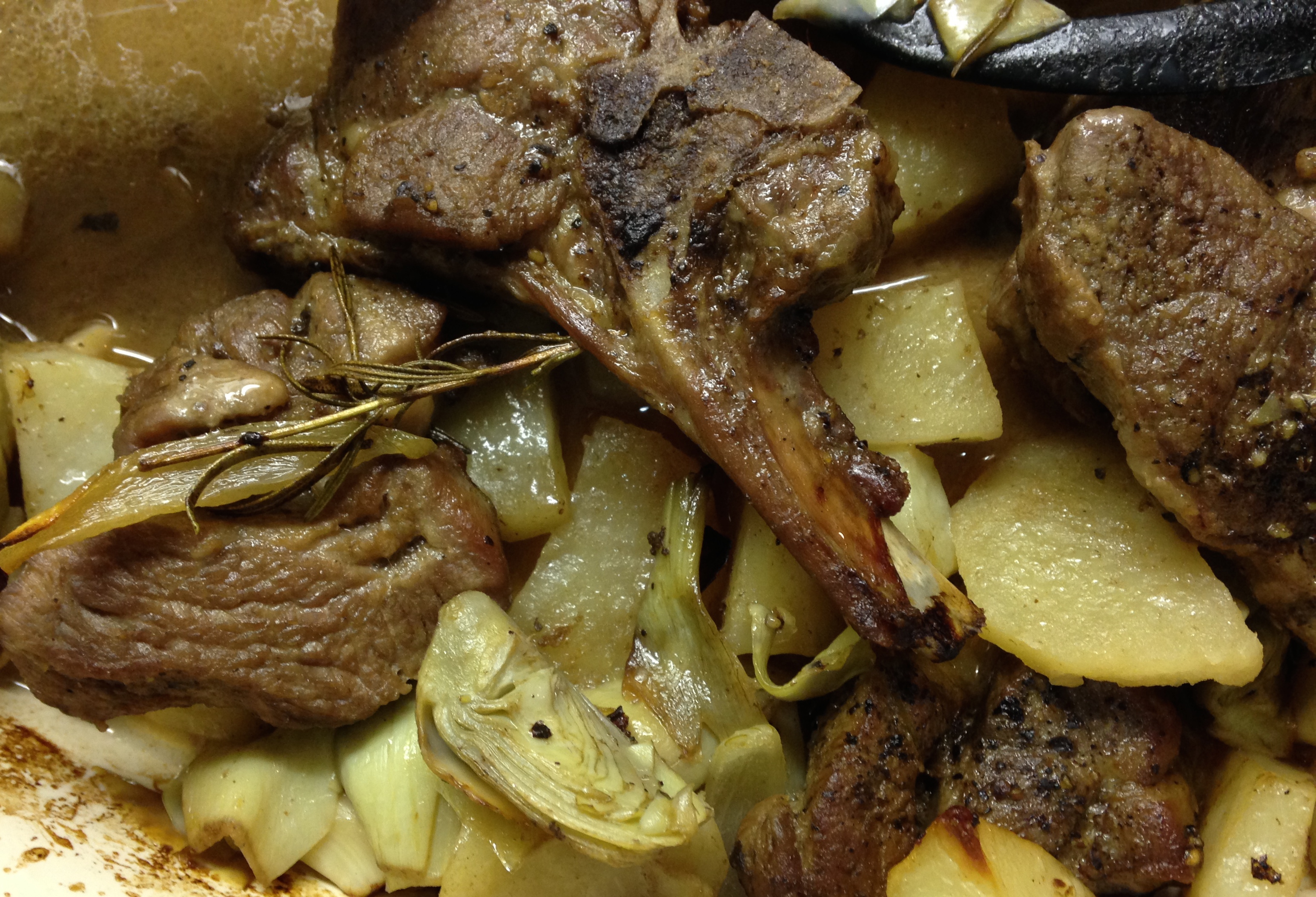
Aleppo turns meats into soulful mouthfuls…

roasted lamb with fennel

roasted lamb with fennel

Tomato Sauce loves a little aleppo…

sun-dried tom sauce

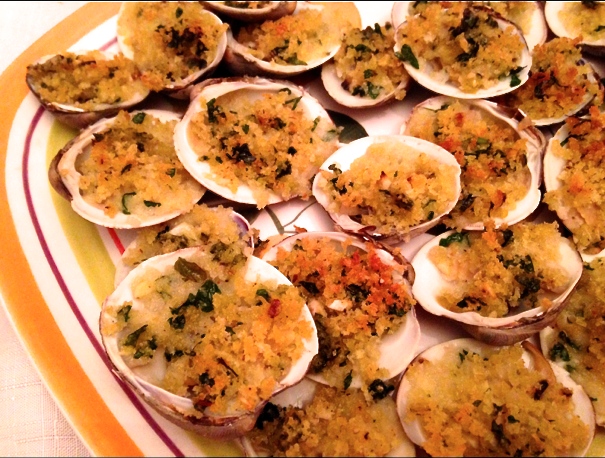
Seafood and aleppo go out on dates all the time…

clams oreganata

clams oreganata

Savory Breads just love that little punch of aleppo…

tomato & olive baguette

tomato & olive baguette

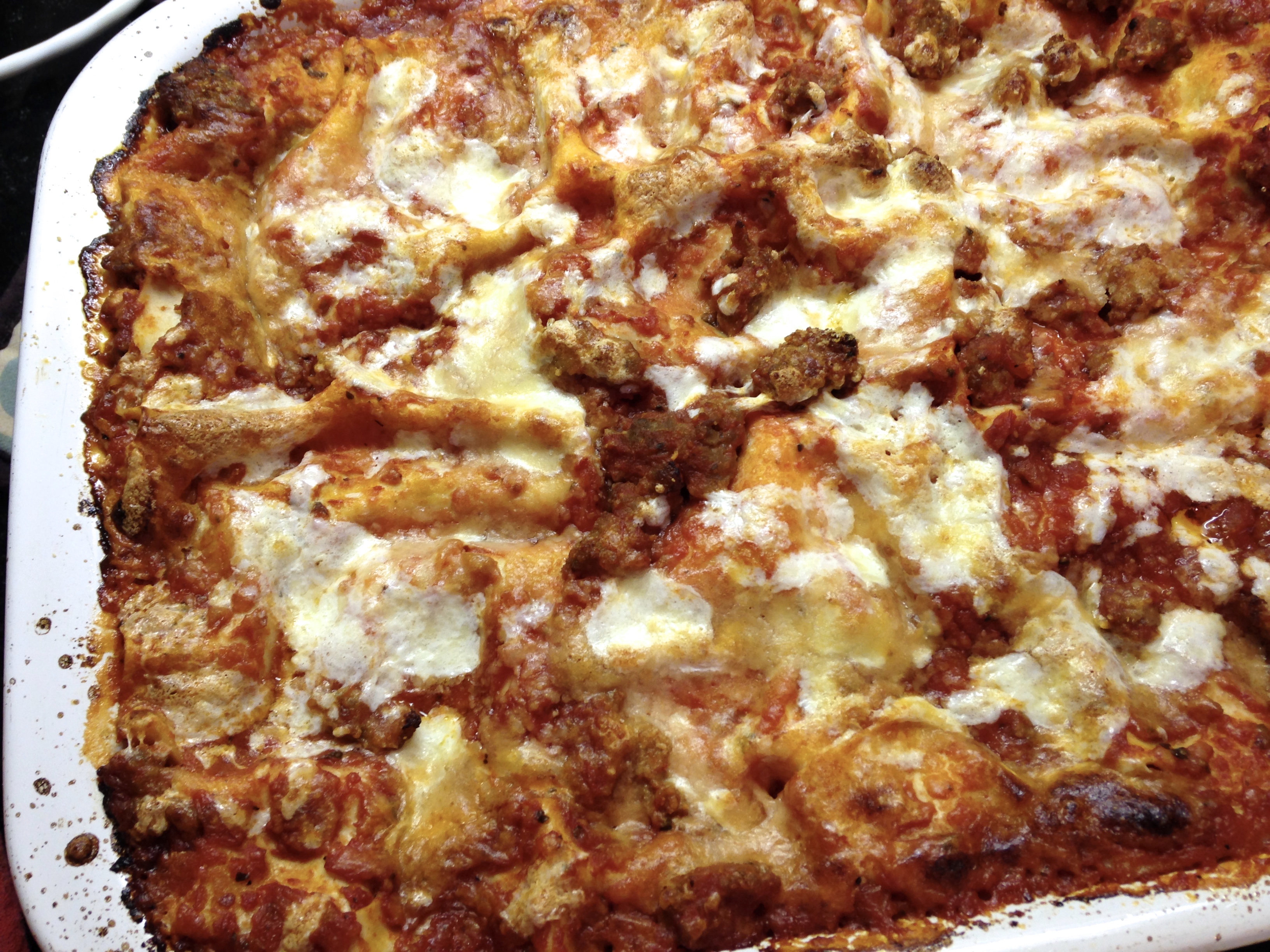
Lasagna embraces a small shake of aleppo…

lasagna

lasagna

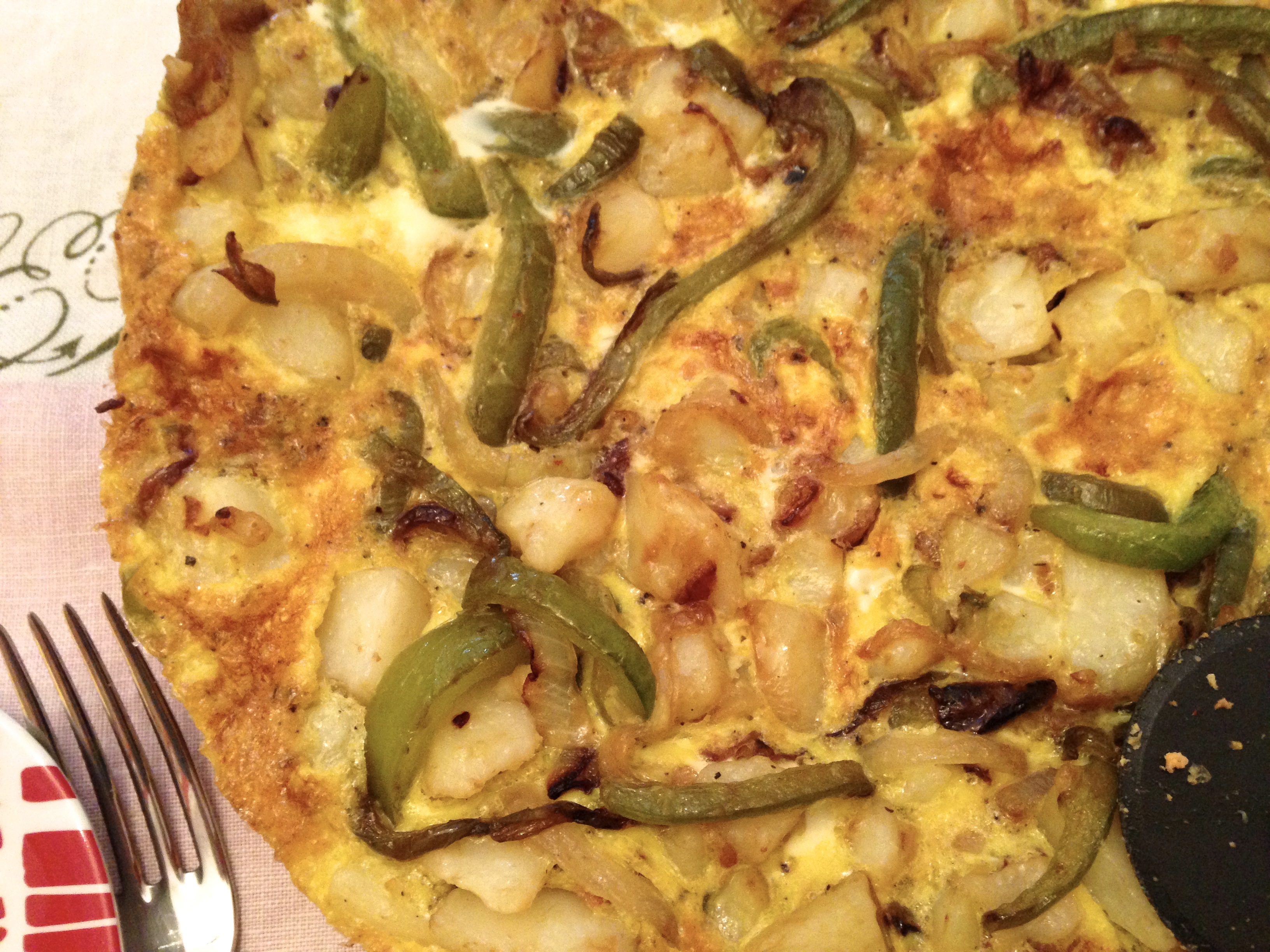
Frittata’s say yippee when aleppo visits….

peppers frittata

peppers frittata

And don’t forget pizza! What more can I say?

pizza

pizza

Get some! You’ll soon figure out how much you’d like for whatever dish you want to give a little nudge to – or a lot. I always find it at Penzeys Spices, or if you have a Savory Spice Shop near you, I know they carry it.

Enjoy the heat this winter! 🙂


Dreaming of Amalfi – Lemon Ravioli

Amalfi paining by Chef Paulette

Amalfi paining by Chef Paulette

I just finished this painting of a view of Amalfi. When I’m deep in a painting of a beautiful Italian scene I feel myself in that place. I can even smell the air. Feel the sea breeze. My palate gets nostalgic, too. So I’m remembering the lemony ravioli we had on our last trip to Amalfi in 2014. It was at a restaurant in Maiori. A place right on the beach.

lemon ravioli in cream sauce at a restaurant in Maiori

lemon ravioli in cream sauce at a restaurant in Maiori

Lemons are huge in Amalfi and grow everywhere. The cuisine is filled with lemons, too (this where limoncello comes from).

Amalfi lemon

Amalfi lemon

This ravioli lemon-filled dish was so spectacular I figured out how to make it and we’ve cooked in class several times.

lemon ravioli-making in class

lemon ravioli-making in class

Try this immersion into lemon love. Ravioli with lemon-scented ricotta filling and a very lemony cream sauce.

Lemony-Ricotta Stuffed Ravioli w Lemon-Cream Sauce

For the dough:

2 cups unbleached all-purpose flour, plus extra

¼ teaspoon salt

3 large eggs, lightly beaten

For the filling:

1 lb. ricotta

½ cup grated cheese

zest of 3 lemons

salt & pepper to taste

For the Sauce:

2 lemons

½ stick unsalted butter (4 tablespoons)

1 cup dry white wine

2/3 cup cream

salt & pepper to taste

1/2 cup grated cheese

Make the dough: Mix the flour and salt in a large bowl, and shape into a mound. Create a “well” in the mound and add the eggs. Using a fork slowly mix the flour into the egg, until the dough comes together and most or all the flour is mixed in. Gather the dough and knead it on a lightly floured surface. Knead until smooth, shape into a ball and cover with plastic wrap. Let rest for 30 minutes.

Make the filling: Mix the ricotta, grated cheese, and lemon zest. Combine well. Season with salt & pepper.

Make the ravioli: Cut the dough into four pieces. Work with one piece at a time and keep the other pieces covered in plastic wrap. Flatten the dough into a rough rectangle, and roll through the pasta machine, changing the numbers from thick to thinner (lower to higher) one at a time until you reach the next-to-the-last number on the machine. Dust the sheet with flour in between every couple of numbers to keep it from sticking in the machine.

Lay the sheet on a table. Place scant ½-teaspoons of filling in row on the bottom half of the sheet, about an inch apart. Fold the top half over the bottom half. Press all the edges closed to seal well. Cut in between to make the individual ravioli. Place the finished ravioli on a flour-dusted sheet and repeat with the rest of the dough.

Make the Sauce: Zest the 2 lemons. Then quarter each lemon, cut off the peel entirely and minced the lemon pulp, discarding any seeds. Melt the butter in a medium sauté pan. Add the zest and pulp. Heat till hot. Add the wine. Cook until simmering. Add the cream. Stir to combine. Cook on medium low heat until cream is bubbling and slightly reduced. Season with salt & pepper.

Cook the ravioli: Bring 4 quarts of water to a boil. Salt water. Drop in the ravioli and cook until al dente, about 3 minutes. Spoon half of the sauce into a large shallow serving bowl. Add a few small spoonfuls  of pasta water to dilute sauce a bit. Add ravioli, top with more sauce and gently coat. Serve with some grated cheese.

These are a few of my favorite herbs

Uh-oh. Here comes the cool, then cold weather. Our garden on the patio is getting rag-tag and starting to slip into sleepiness. The leaves of our two trees– crepe myrtle & crab apple– are dropping, scattering, and painting an abstract landscape on the patio pebble floor.

All spring and summer I had the delight of stepping outside in the middle of cooking–leaving sizzling pans and boiling pots on the stove–while quickly snipping herbs from just outside the door. How I LOVE that. After years of apartment house living in NYC, the multi-herb wonder in the backyard  is my little paradise.

Here are my go-to most loved favorites…

Rosemary

Rosemary

Rosemary. Luckily this pine-needle-like bush carries on through the winter. Even if I’m not cooking with it I have to brush my hand across the leaves whenever I walk by and sniff the scent left on my fingers. Something about that smell is immediately transporting. To where? Some place in the deep soul of plant life that also lives in a happy place on my palate. Rosemary is  lovely with red meats especially lamb. But beef, too. And pork as well. It can be overpowering tho so I usually don’t use it on delicate dishes. Focaccia topping: perfect. Mince up the leaves finely if in a sauce.

Oregano

Oregano

Oregano. This is the one herb that is okay dried, too. It’s a different flavor than fresh, but dried oregano turns a tomato sauce into a pizza sauce. Fresh oregano jumpstarts a pesto (use just a little with your basil or parsley). It’s a surprising, welcome addition to a ravioli filling or roasted vegetable.

Parsley

Parsley

Parsley. I can never grow enough parsley for what I need. Parsley can go everywhere. Sometimes I like just a parsley pesto. Parsley swims abundantly in my artichoke cooking water. Minced in arrabbiata sauce. In the breadcrumb mixture for chicken cutlets. Minced in meatballs. It’s delicate taste can fit anywhere, yet it does add a LOT.

Basil

Basil

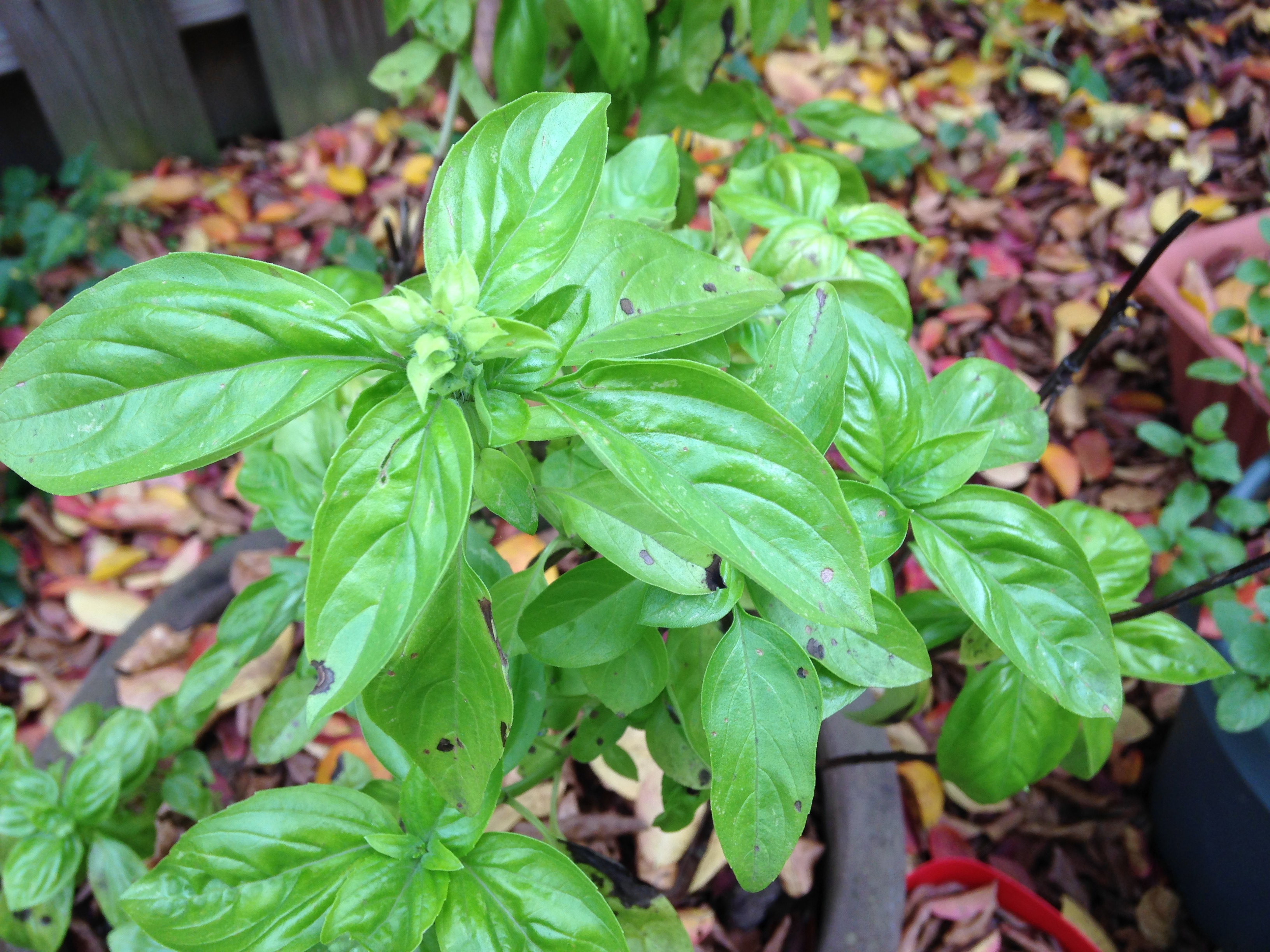
Basil. I remember the basil growing in my friend’s terraced garden up in the hills of Liguria. Basil shines in Liguria the most — the land of basil pesto. Where is originated. But it also shines in Napoli where pizza Margherita was born: pizza with tomato, mozzarella, and basil– the colors of the Italian flag.

Mint

Mint

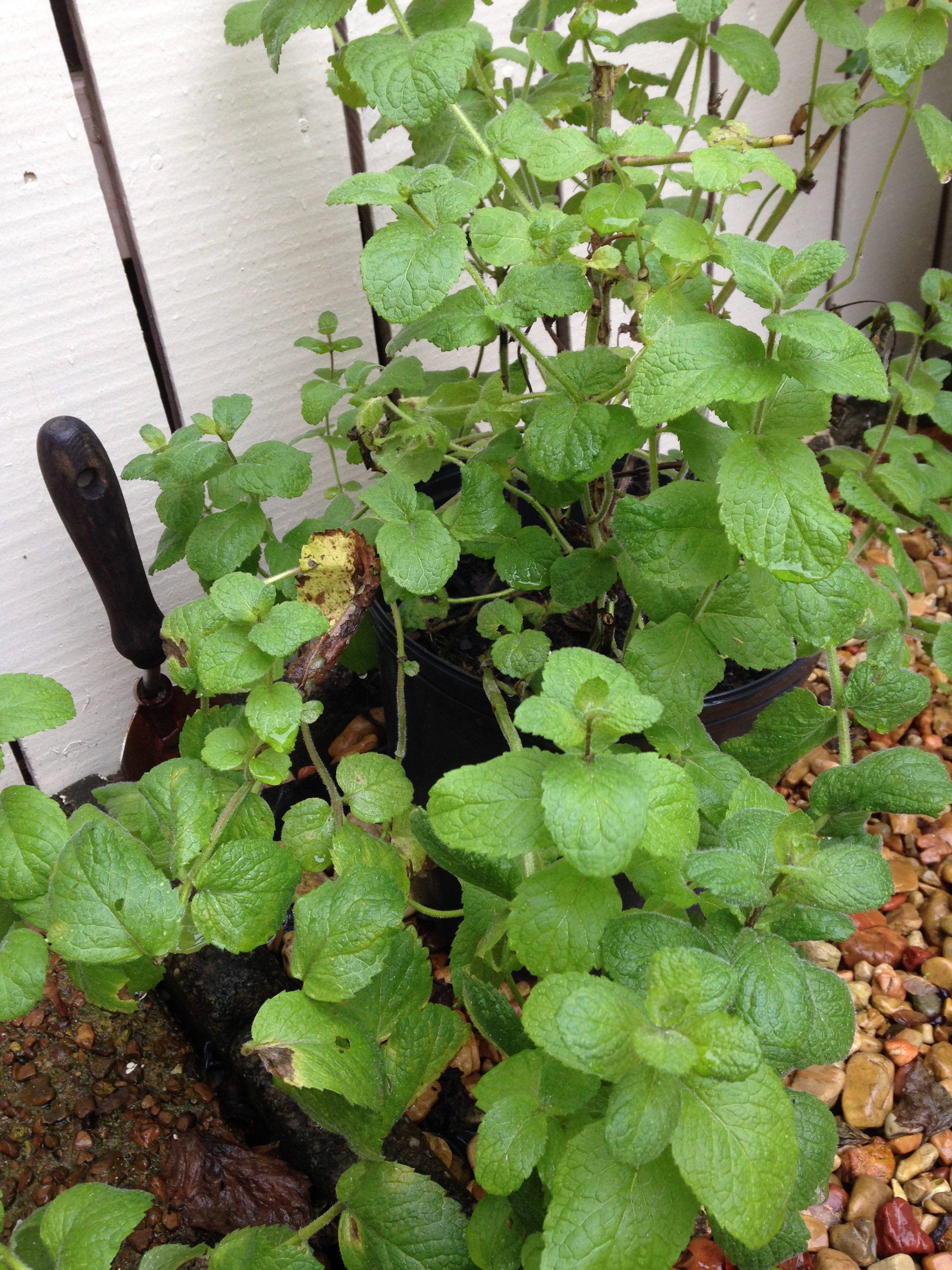
Mint. Mint is the excitement herb. There are so many kinds, you can collect dozens. I grow two kinds of peppermint. The small, pointy leafed kind and a very delicate wide leave that my friend, Kazel, gave me. I also have chocolate mint which I adore. Add mint to your pesto. Break up leaves in a salad, or cooked vegetable dish. In the ravioli with your ricotta. Break up leaves in butter sauce. A mint frittata is stunningly deliciously!

Thyme

Thyme

Thyme. The thyme I grow is a kind I don’t see often. The leaves are feathery and rounded. It grows like crazy and I usually cut a large handful of leaves to top roasting chicken. When the chicken is done the leaves are all browned and stems are brittle. I remove the thyme, some leaves fall onto the meat, and the essence of thyme permeates the dish. Lovely.

Sage

Sage

Sage. Just like it’s name here’s a a wise herb. It almost has a smoky presence and brings an air of mysterious love to your dishes. You can also deep fry it for a crispy deep-flavored garnish to risotto, pasta, and vegetables.

Use herbs. I buy them in the store when winter sets in deep. It’s like insisting the garden be present on your table even in February. Herbs will brighten the dark cold days and positively charm your garden and kitchen in spring and summer. Dance with your herbs. They know all the steps.

The Tastiest Cauliflower Ever

cauliflower

cauliflower

October. Time for cauliflower. Our local Nashville farmer’s market had piles of cauliflower at their Friday night market this weekend (and tomatoes, zucchini, eggplant, broccoli, peppers, sweet potatoes, and yes, pumpkins). But that huge cauliflower at the top of the bunch called my name.

I was thinking of October 2011. When I brought a small group of Nashville cooks to Rome, Italy. They met my long-time friend Malena who lives there. She and I went to college together in Rome during the 70’s and have never lost touch. Her daughter, Eleonora, is my godchild. I hadn’t seen Eleonora for many many years, but that autumn we met while in Rome and I was giggly with her beauty and presence. Seeing mother and daughter together thrilled my soul.

Eleonora and Malena in Piazza Navona

Eleonora and Malena in Piazza Navona

My group and I cooked in our rented apartment, toured the city, and sampled the local restaurants. Malena showed us some of her favorite places and one night came over to cook a favorite seasonal Roman dish. And that’s just what I cooked tonight with our local farmer’s cauliflower.

She had brought a cauliflower, in season then in Rome. A loaf of bread. Orecchiette pasta. And some garlic. This dish is rustic, homey, satisfying, nourishing, and unforgettable. You wait for October to have it. Even tho you can get cauliflower other months of the year, it’s in October that this dish belongs. It’s where it tastes its best. In October your body absorbs it seamlessly and your taste buds sink into a kind of comfy-couch of flavor.

Of course, I tweaked this a bit. Malena sautéed the bread in a fry pan. I toast it in the oven. Tonight I didn’t have orecchiette pasta, I used tagliatelle. These differences don’t make much difference. All GOOD. Here we go…

Get a pasta pot of water to a boil. Trim cauliflower of stem and leaves. Cut into flowerets.
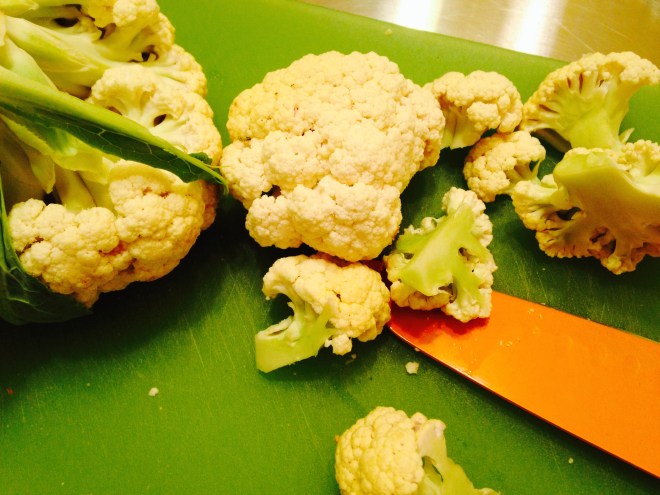
cauliflower flowerets

cauliflower flowerets

Salt boiling water and add the cauliflower flowerets.

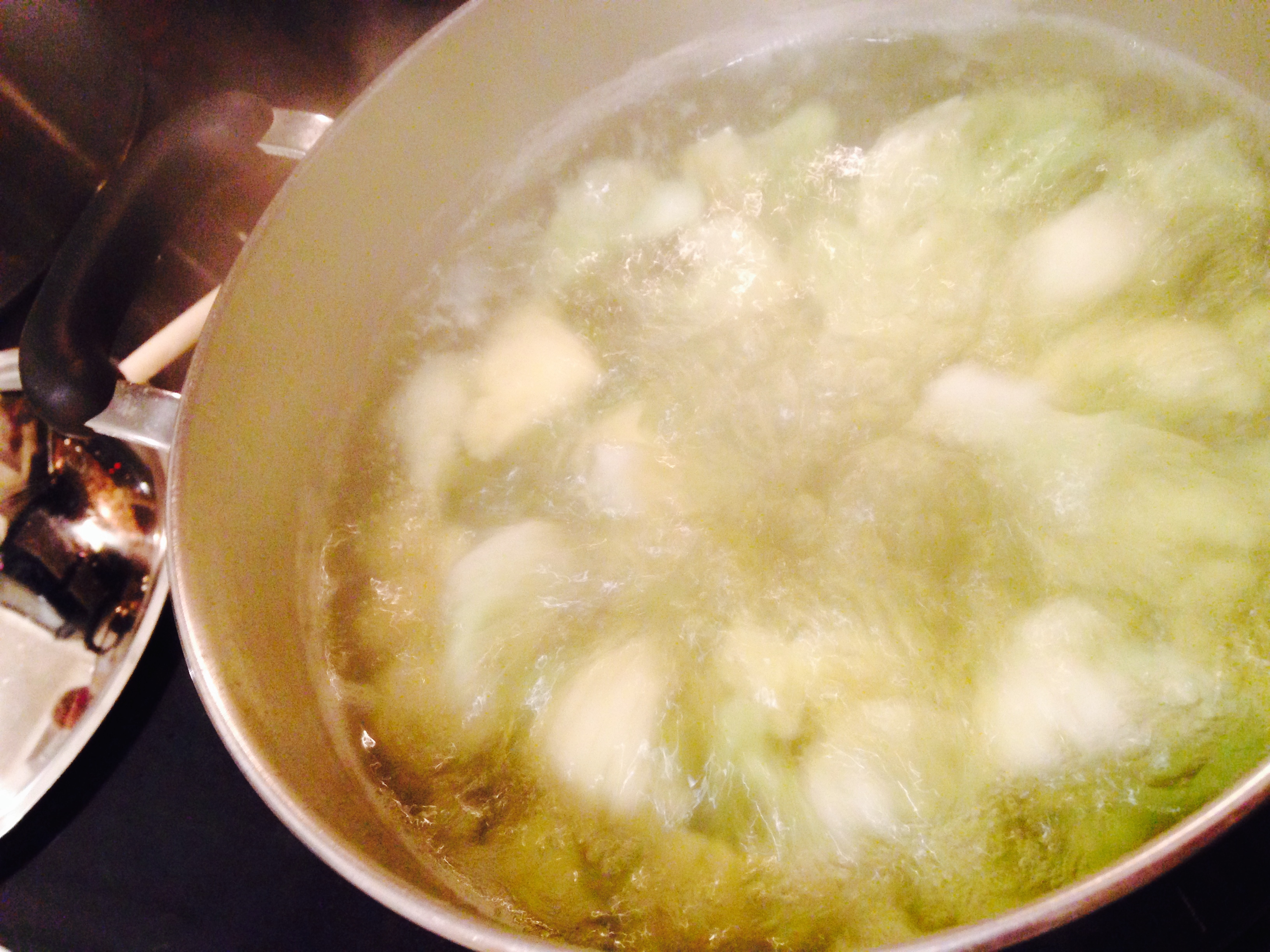
boil cauliflower

boil cauliflower

Let the cauliflower boil. Let it boil. We want to get it soft, almost mushy.
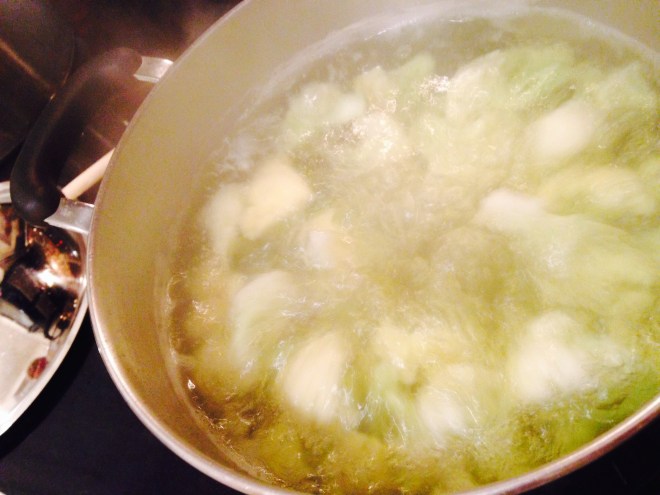
boiling cauliflower

boiling cauliflower

About 6-8 minutes into the cooking, test the cauliflower for softness. If it breaks when pressed with a wooden spoon add the pasta.
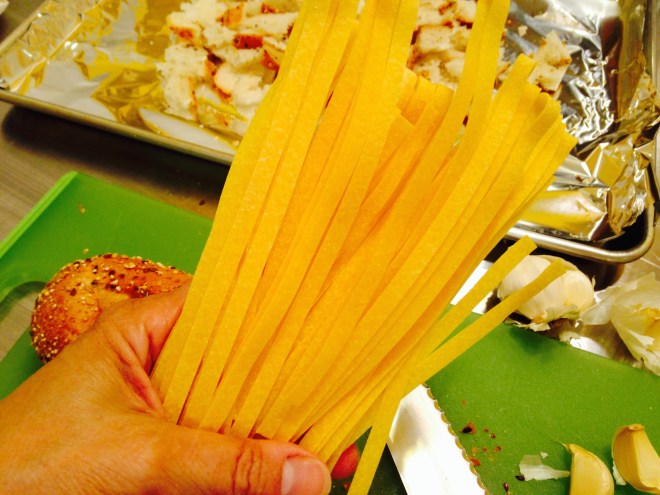
tagliatelle

tagliatelle

Boil until pasta is cooked.

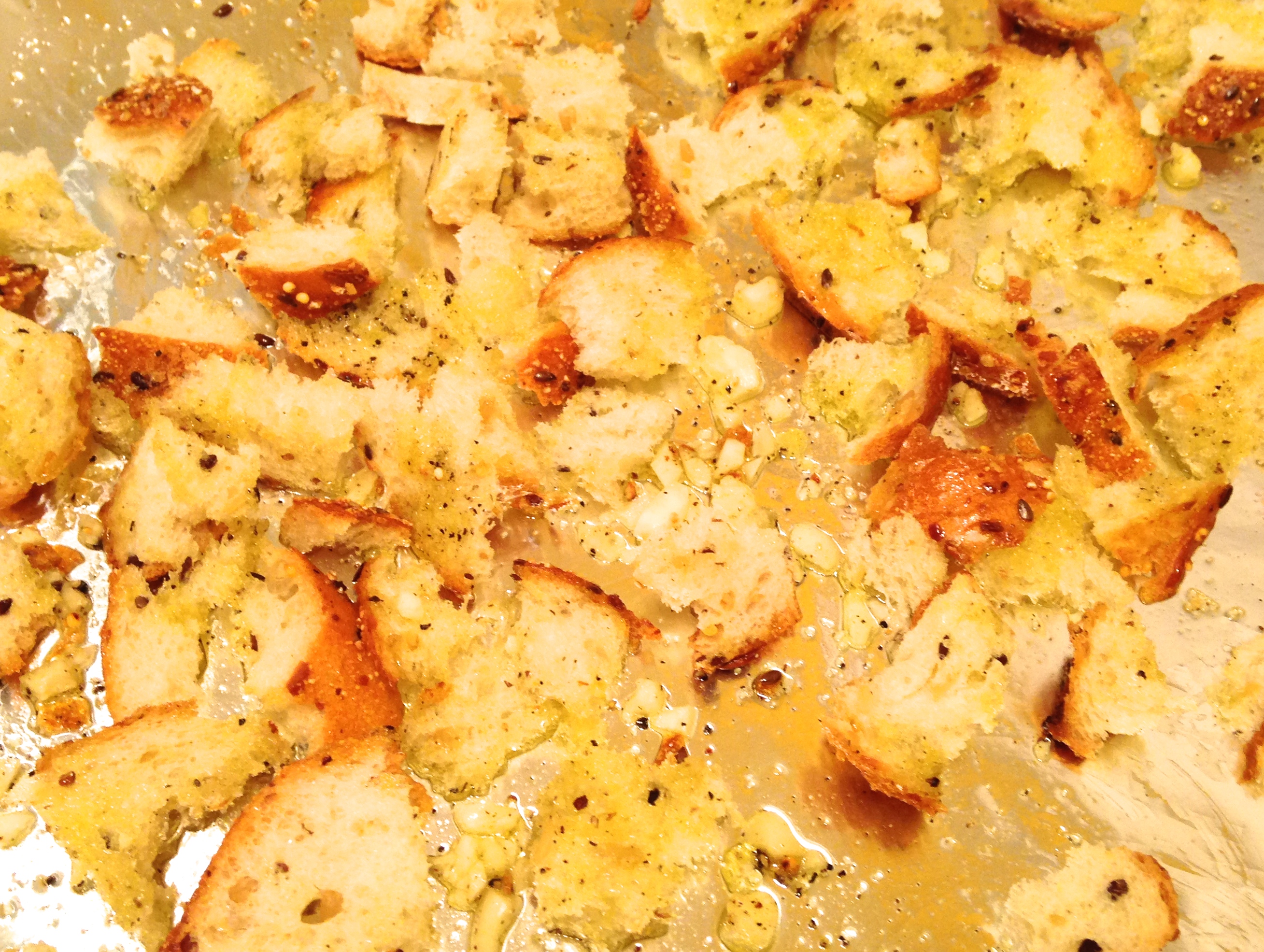
Meanwhile, tear a nice loaf of Italian bread into bite-sized pieces. (Note: Malena, and I’ll bet most Romans, only use the soft inner part of the bread for this. I add crust and all.) Lay out on a foil-lined sheet pan. Toss with some olive oil and rough chopped garlic (about 2 cloves).

torn Italian bread

torn Italian bread

Season with salt and pepper and toast in a 375 degree oven for about 5-7 minutes until browned and crisp.

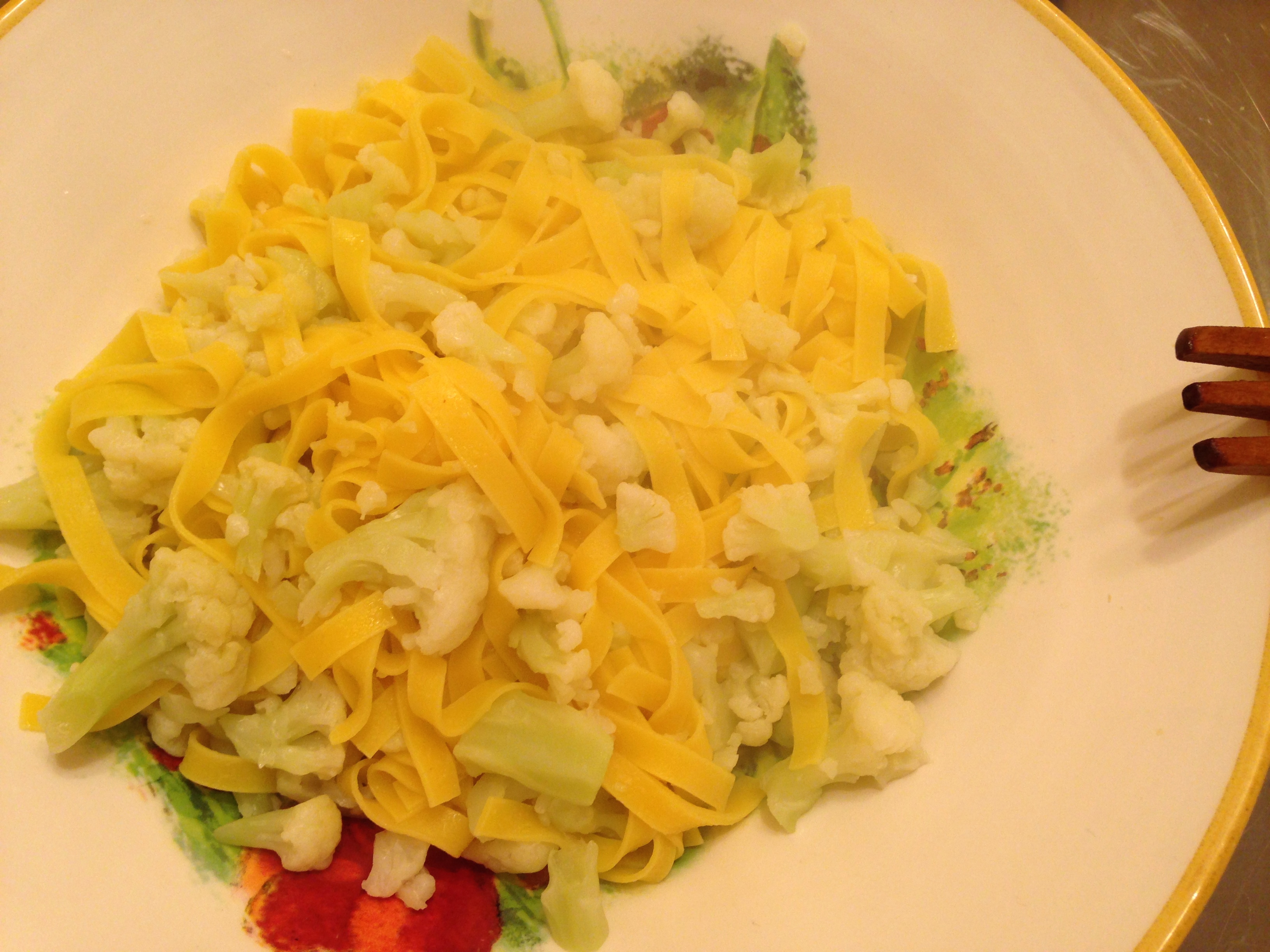
Before draining the pasta and cauliflower, reserve about a half-cup of pasta water. Transfer drained pasta and cauliflower to a serving bowl.
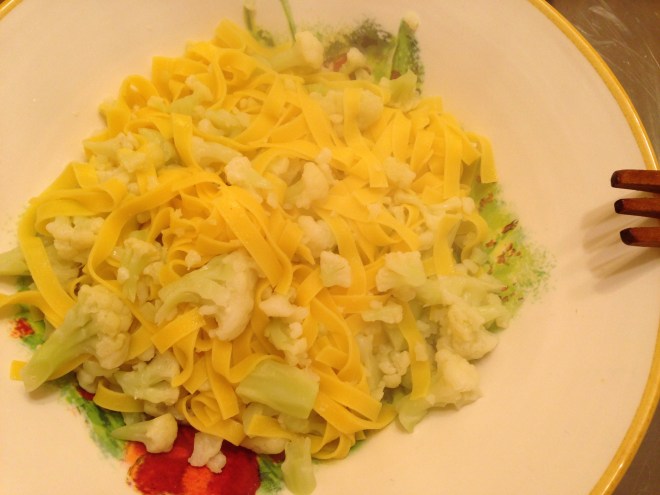
drained pasta and cauliflower

drained pasta and cauliflower

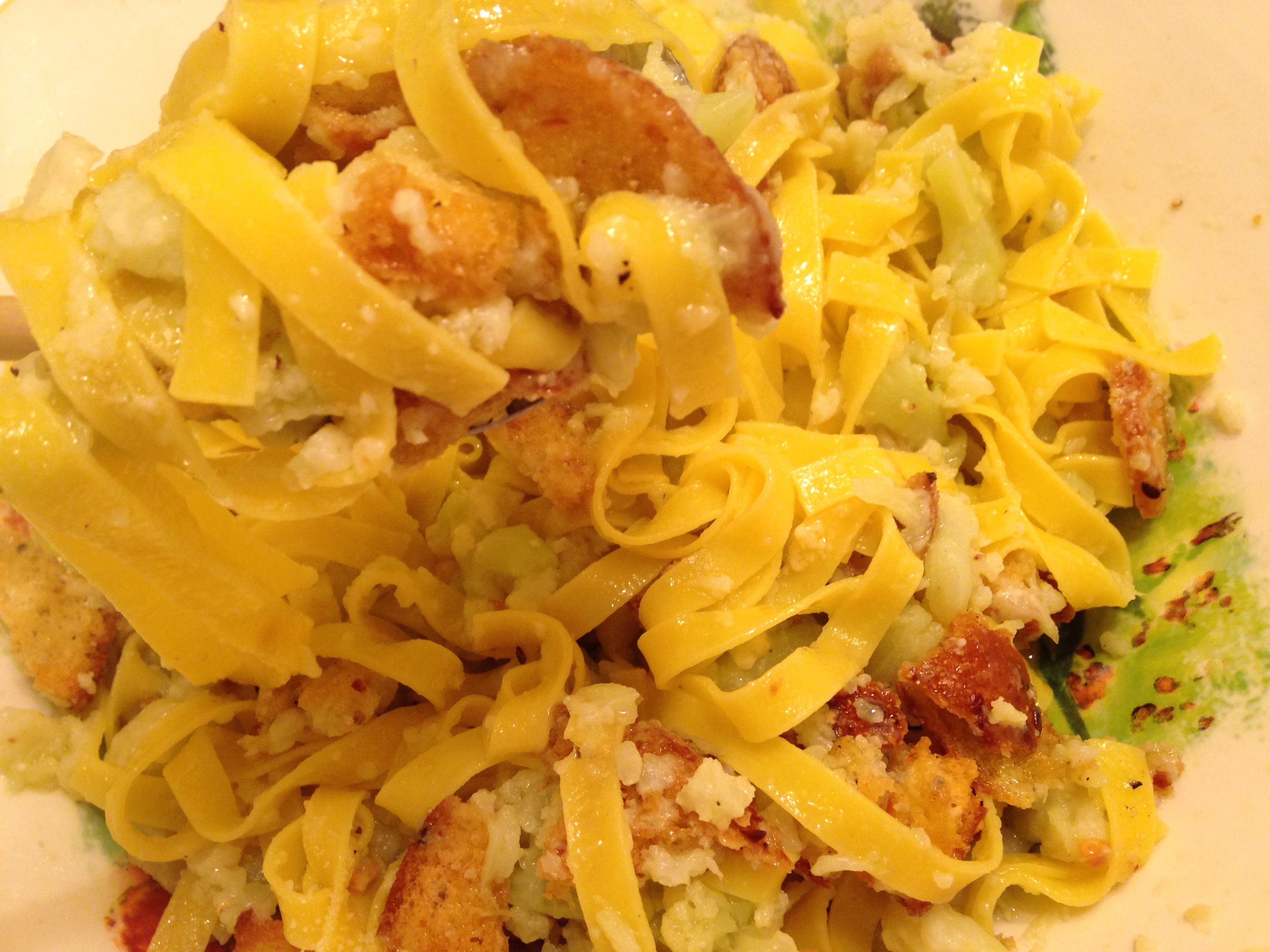
Toss drained pasta and cauliflower with a few drizzles of olive oil. Add the toasted bread.

add toasted bread

add toasted bread

Toss with a little more olive oil. Sprinkle grated parmigiano. Season with salt if needed. Season with black pepper. Add a bit of pasta water if it needs a little moisture.

pasta with cauliflower and toasted bread

pasta with cauliflower and toasted bread

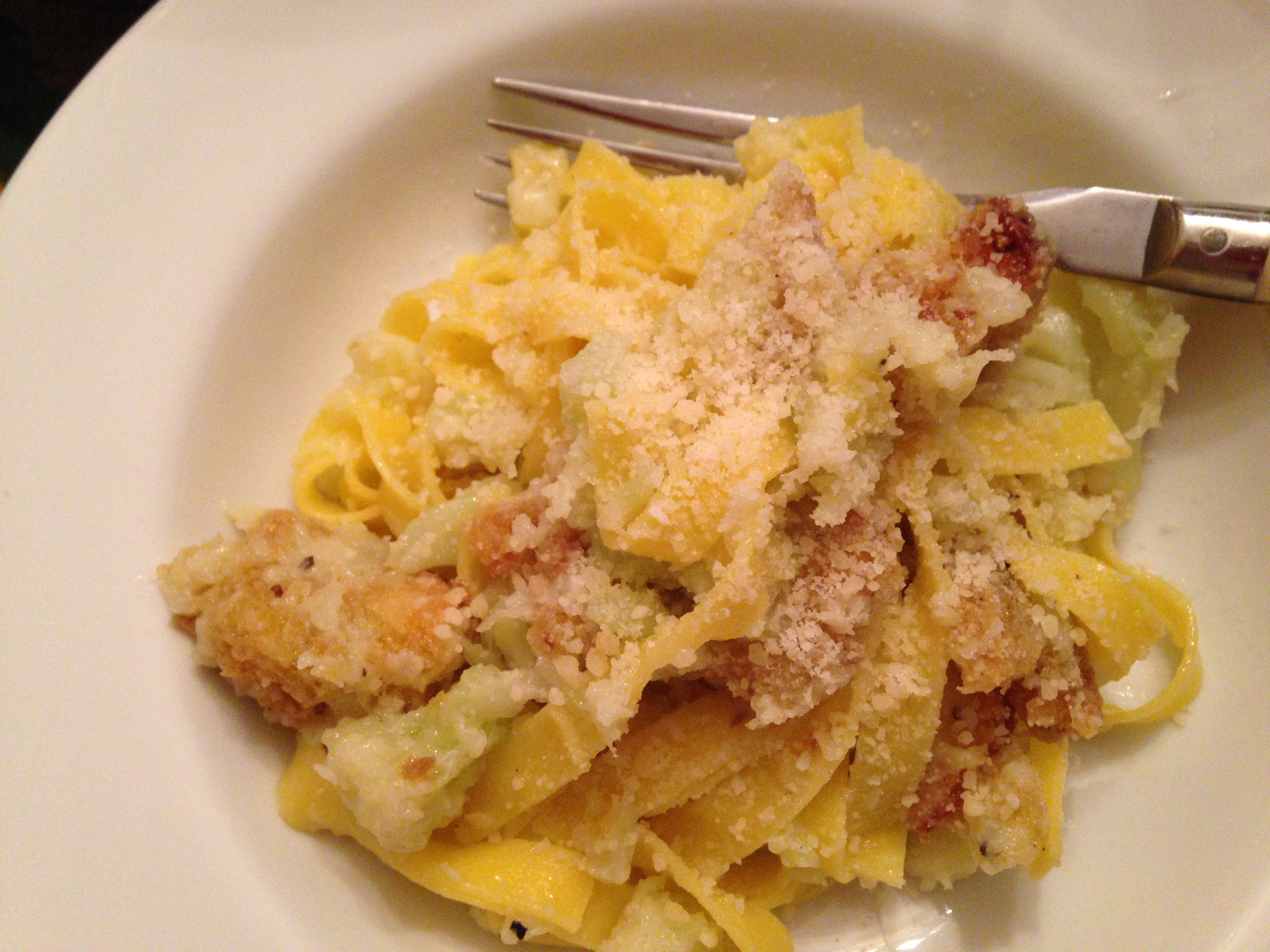
Serve, passing cheese and pepper at the table.

your serving of pasta and cauliflower

your serving of pasta and cauliflower

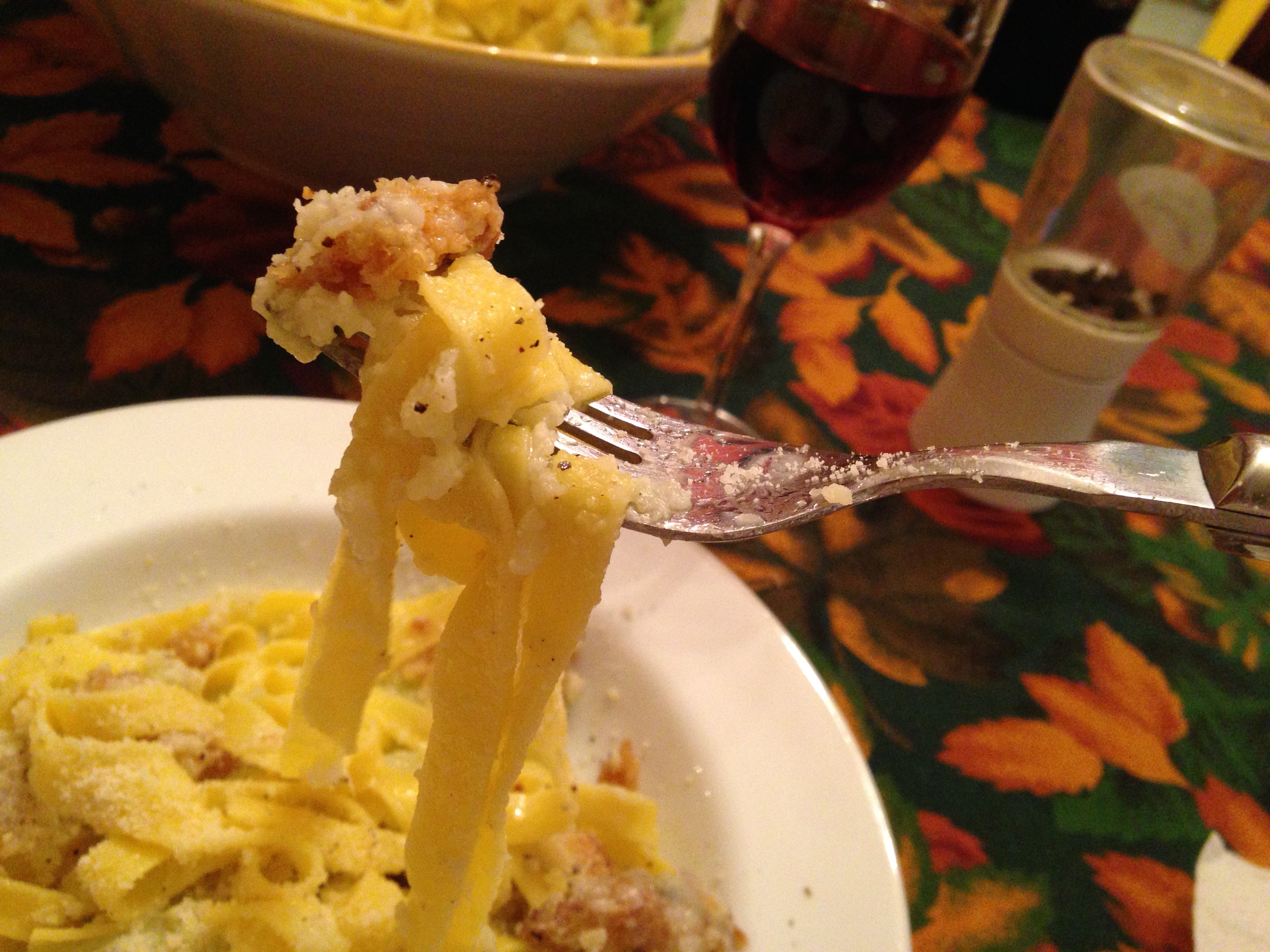
my serving of pasta and cauliflower

my serving of pasta and cauliflower

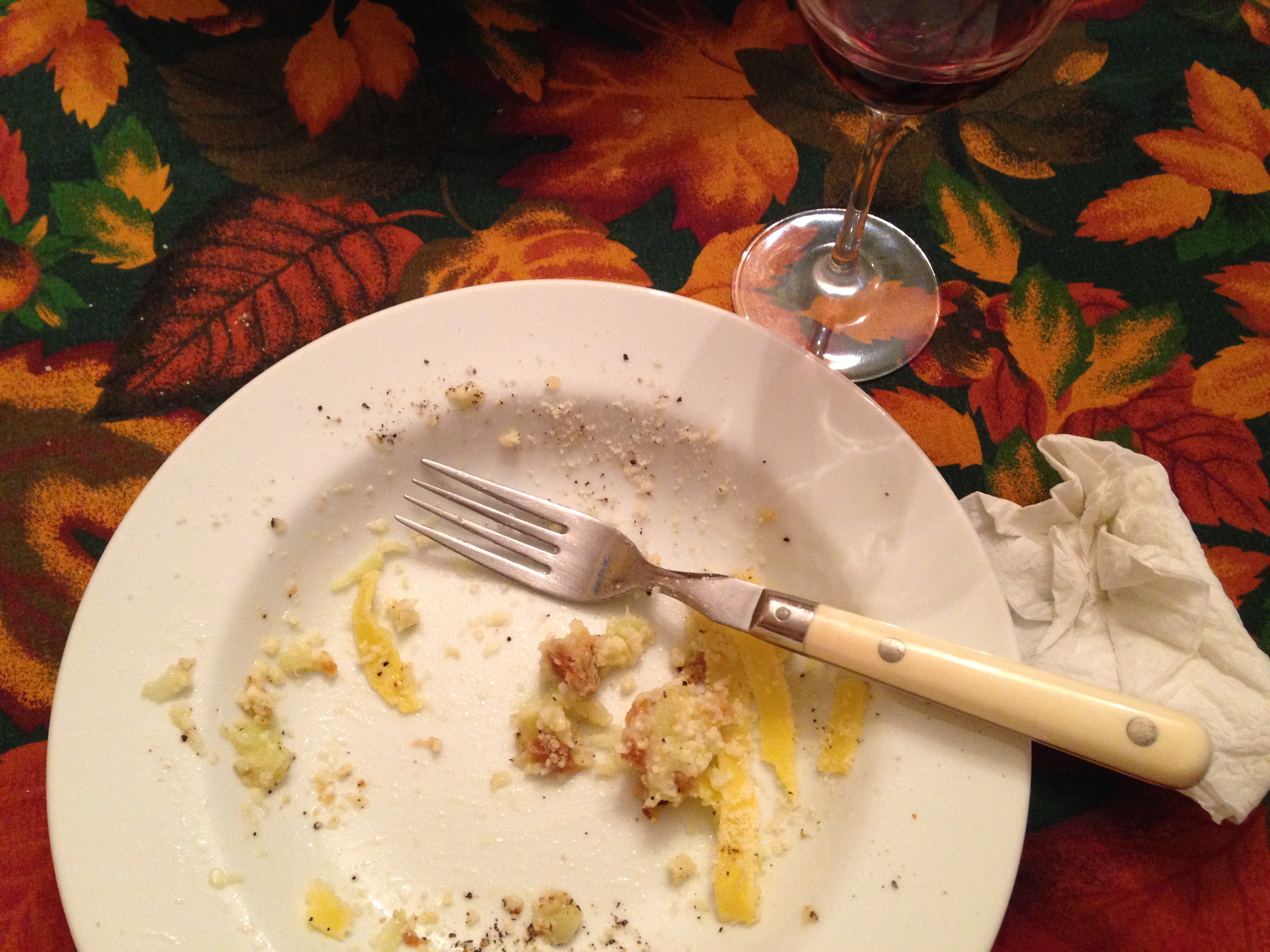
Yum Yum Yum Yum Yum.

delicious!

delicious!

Pasta with Cauliflower and Crispy Bread

Serves 4-6

1 large head cauliflower, cut into 2-inch pieces

1 lb. pasta, ziti or orecchiette, or your favorite

2-3 cloves garlic, minced

1 loaf of Italian peasant bread, or similar

¼ – ½ cup olive oil

½ cup grated pecorino or parmigiano cheese

Preheat oven to 375 degrees F.

Fill a large pasta pot with water and bring to a boil. Season water with salt and add the cauliflower pieces.

Meantime, tear up the Italian bread into bite-sized pieces.Toss bread with about ¼ cup olive oil, and the minced garlic. Spread out on a sheet pan and bake until golden and crispy. Set aside.

When the cauliflower is tender add the pasta to the pot. Cook until al dente. Reserve a cup of pasta water.

Drain pasta and cauliflower and transfer to a serving bowl. Cauliflower should be broken into small pieces and almost like a cream. Add the bread and cheese. Add a little olive oil. Add some pasta water if too dry. Check seasoning and add salt if needed…and a little pepper. Serve with extra cheese on the side.


it’s time for butternut squash ravioli

Oh, yeah.

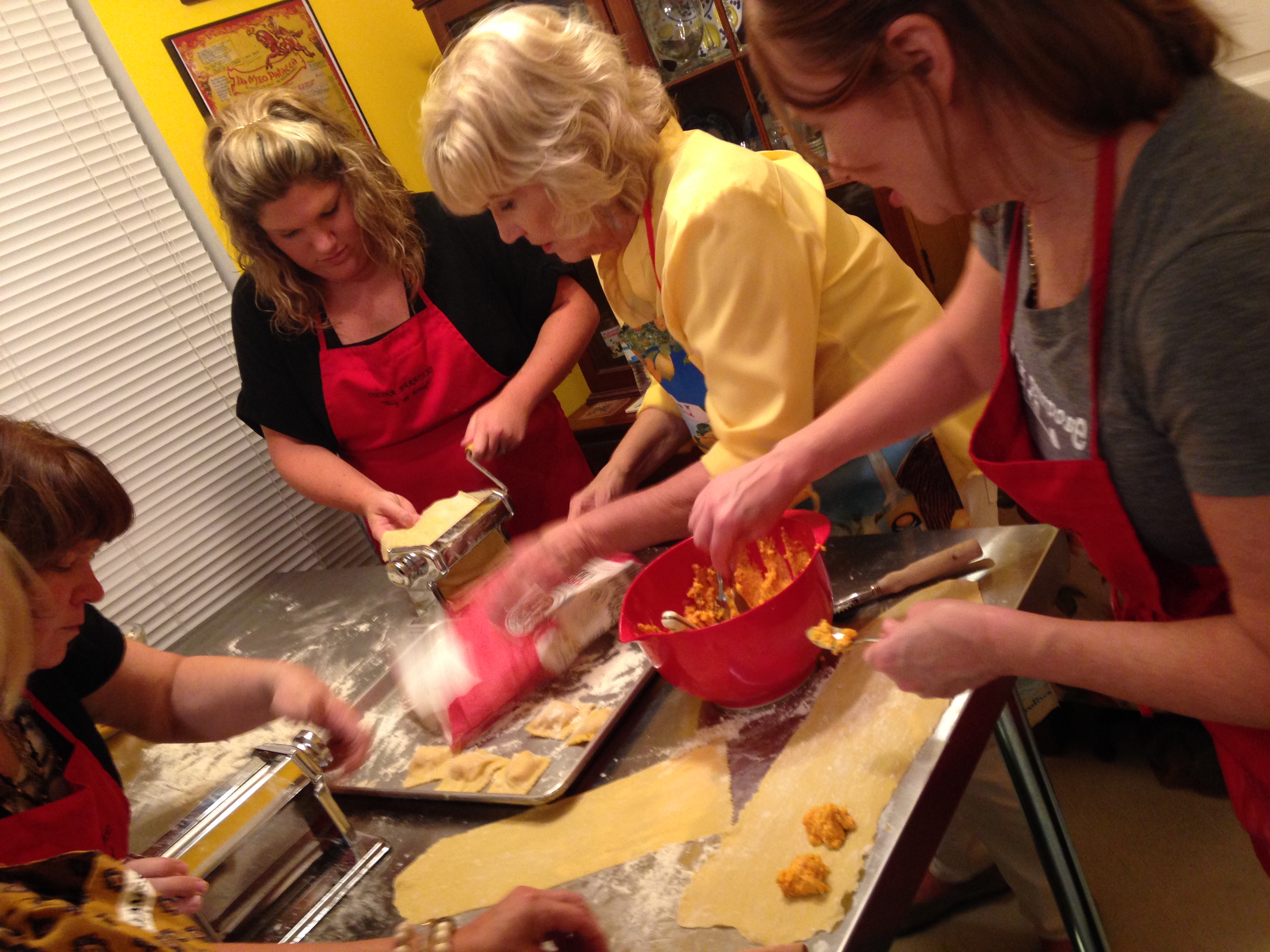
We made them in class tonight and all of us cooks in the kitchen flew around the dining room on an autumn breeze (even tho in Nashville it’s been averaging a sunny 80 degrees in the afternoons).

No matter. We whipped up this elixir of creamy filling in delicate pasta and bathed it in parsley-mint-walnut pesto. We couldn’t believe our tongues. Palates lighting up with sparks of tasty joy.

Join our journey. Recipe at end.

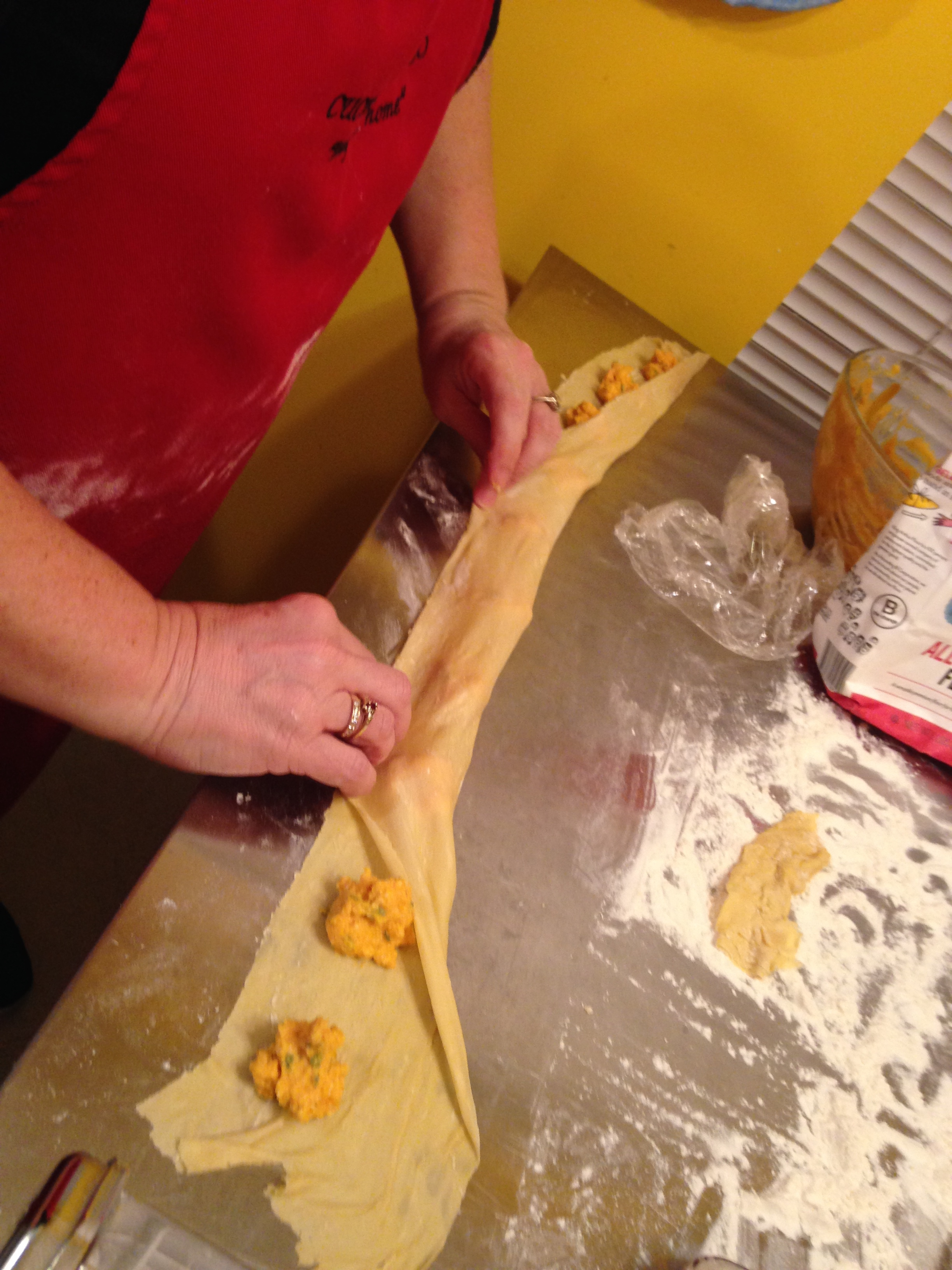
butternut squash ravioli-making

butternut squash ravioli-making

butternut squash ravioli-making

butternut squash ravioli-making

butternut squash ravioli-making

butternut squash ravioli-making

butternut squash ravioli-making

butternut squash ravioli-making

butternut squash ravioli boiling (just 3 minutes)

butternut squash ravioli boiling (just 3 minutes)

parsley-mint-walnut pesto with some pasta water mixed in

parsley-mint-walnut pesto with some pasta water mixed in

butternut squash ravioli with parsley-mint-walnut pesto

butternut squash ravioli with parsley-mint-walnut pesto

Fresh Butternut Squash Ravioli w Parsley-Walnut Pesto

For the dough:

2 cups unbleached all-purpose flour, plus extra

¼ teaspoon salt

3 large eggs, lightly beaten

For the filling:

1 small butternut squash

1 cup ricotta

½ cup grated cheese (Pecorino Romano or Parmigiano)

1/2  teaspoon of ground nutmeg

salt & pepper to taste

For the Sauce:

2 cups fresh parsley leaves

1/2 cup mint leaves

1 garlic clove, peeled, rough chopped

1/4 cup walnuts

1/4 cup olive oil

salt & pepper to taste

1/2 cup grated cheese

Make the dough: Mix the flour and salt in a large bowl, and shape into a mound. Create a “well” in the mound and add the eggs. Using a fork slowly mix the flour into the egg, until the dough comes together and most or all the flour is mixed in. Gather the dough and knead it on a lightly floured surface. Knead until smooth, shape into a ball and cover with plastic wrap. Let rest for 30 minutes.
Make the filling: Rinse the squash and dry. Cut into quarters and spoon out the seeds. Place cut-side down on foil-lined sheet pan or casserole pan. Add about 1/2 -inch of water. Roast for about 40-45 minutes until flesh is tender. Allow to cool, then scoop out the squash into a medium mixing bowl. Mash the squash with a fork and add the cheeses, nutmeg. Combine well. Season with salt & pepper.

Make the ravioli: Cut the dough into four pieces. Work with one piece at a time and keep the other pieces covered in plastic wrap. Flatten the dough into a rough rectangle, and roll through the pasta machine, changing the numbers from thick to thinner (lower to higher) one at a time until you reach the next-to-the-last number on the machine. Dust the sheet with flour in between every couple of numbers to keep it from sticking in the machine.

Lay the sheet on a table. Place scant ½-tablespoons of filling in row on the bottom half of the sheet, about an inch apart. Fold the top half over the bottom half. Press all the edges closed to seal well. Cut in between to make the individual ravioli. Place the finished ravioli on a flour-dusted sheet and repeat with the rest of the dough.

Make the Sauce: Add the herbs, garlic, and walnuts to the bowl of a food processor. Pulse until minced. Add the olive oil and season with salt and pepper. Process until smooth. Transfer to your pasta serving bowl.

Cook the ravioli: Bring 4 quarts of water to a boil. Salt water. Drop in the ravioli and cook until al dente, about 3 minutes. Add a few spoonfuls  of pasta water to loosen and turn it from a paste to a sauce. Combine with ravioli. Sprinkle grated cheese on top.

My Favorite Roma

first trip to Rome with family 1974

first trip to Rome with family 1974

So it was in 1974 that I first went to Rome. My parents visited for the first time the year before and came back excited for my sister and I to experience the country too. These photos are from our first trip all together. To Rome & Florence. But mostly Rome. Where I fell in love. With ROME. (I’m the one with the ponytail.)

It took me a year and a half to devise a plan to LIVE in Rome. I applied to an American college there (I had left college after 2 years to work in the theatre, now I turned my third college year into an excuse to live in Rome). In January 1976 I moved to Rome and immersed in the culture with an open heart and soul. It’s a culture that still flows thru my veins on a daily basis.

After I moved back to the States (crying the whole plane ride home), I went back to Rome to visit as often as possible.  And back. And back. And back again. (And again. I’m still going.)

I’m not an expert on Rome. But after all these years I have favorite spots that I return to over and over. If I lived there now I’m sure new favorites would emerge, but these classics always win my heart again with each visit.

Favorite neighborhoods:

The historic center (Il Centro) is the best. I love the area that encompasses Piazza Navona, the Pantheon & Campo dei Fiori.

Rome historic center w Piazza Navona, Pantheon & Campo dei Fiori

Rome historic center w Piazza Navona, Pantheon & Campo dei Fiori

My other fav is where I used to live: Trastevere (I lived on Via Anicia). More residential, full of charm, and the part near the river is not such a long walk from the historic center.

Trastevere near the Tevere (Tiber River)

Trastevere near the Tevere (Tiber River)

Favorite historic sites:

Campidoglio. For me this is the most breathtaking Roman site. Campidoglio or Capitoline Hill, not far from Piazza Venezia. The site was designed by Michelangelo (and  I love how Lincoln Center in NYC echoes the layout). Climbing the long flat stairs leading to the hill always excites me. I’ve arrived at the most Roman, most beautiful, most soulful spot in the city. It was also here where some of my co-students and I met a group of Italian guys who became close friends of ours and showed us the locals’ view of Rome on a daily basis. Massimo gave us a cooking lesson on how to make spaghetti alla carbonara at his parents’ apartment in EUR. It’s a recipe I have never altered to this day. Perfectly Roman.

Campidoglio

Campidoglio

If you face the central building and walk to its right, follow the path to behind it, you will have the most spectacular view of the Roman Forum.

Roman Forum

Roman Forum

Pantheon. The most knock-out building in Rome. With history reaching back to ancient Rome, and transformations over the centuries to suit each new wave of society. This is the building with the famous hole in the ceiling (built that way, of course). When it rains, it rains in a circle on the stunning marble floor.

Pantheon

Pantheon

Favorite shopping:

Via dei Giubonnari I dream about this street. I love the shops. It’s about 3 blocks long and it’s jammed with clothing, shoe, and jewelry stores. Prices are right. Fashion is funky, edgy, or tame. I always find a treasure that I’m so happy I own once I get home. It connects directly into Campo dei Fiori…that piazza filled with produce stands in the mornings. A LITERAL feast for the eyes and palate.

Via dei Giubbonari near Campo dei Fiori

Via dei Giubbonari near Campo dei Fiori

Trevi Fountain. Yes, this is quite impressive. Yes, Anita Ekberg swam it in La Dolce Vita. Yes, I remember a time when there were maybe a few dozen people milling about, throwing coins, taking pictures. Now if feels like a million visitors are constantly on top of this monument. So the experience is a bit overwhelming. Still go. And here’s another reason I make the effort. Totally girlish and totally shopping-centric. The Trevi Fountain is surrounded with shoe stores.

Trevi

Trevi Fountain

Via Del Corso. Speaking of shopping. Via del Corso, that long street with 2 knock-out piazze on each end: Piazza Venezia & Piazza del Popolo, is lined with shops. Stray from the Corso and you’re into more great shops on Via Frattina, Via Condotti (designer shops), via del Tritone. And these streets lead to Piazza di Spagna, Piazza Barbieri, and Via Veneto. I say wow.

A few favorite eating & drinking spots:

Cafe della Pace The decor of this cafe rings Belle Epoch. A true step into another time but tres moderne. Drinks, coffees, and mostly atmosphere. In one of Rome’s prettiest tiny piazze.

Cafe della Pace

Cafe della Pace

Dal Paino  My favorite pizza in the world at this pizzeria near Piazza Navona.

Sandy at dal Paino

Sandy at dal Paino

Ristorante Campana When I took a cooking group to Rome we literally tripped over this place. We peeked in the windows and, as I was telling everyone that it looks like a true typical Roman restaurant, the cute waiter came out the door and charmed us to come in. We loved it and went back a second time. Classic Roman dishes here. Wonderful atmosphere. You feel at home and you feel Roman.

Ristorante Campana

Ristorante Campana

Archimede Just a few steps from the Pantheon, this friendly elegant but casual restaurant never disappoints. Must order: the carciofi alla giudia, and the fritto Sant’Eustachio. I love their spaghetti alla carbonara. You can’t go wrong with ANYthing.

the touring group I led to Rome at lunch at Archimede

the touring group I led to Rome at lunch at Archimede

fritto Sant'Eustachio

fritto Sant’Eustachio

Cafe Sant’Eustachio They say this is the best coffee in Rome. Coffee in Rome is the best in the country according to me — so this is high praise. AND there is a store full of coffee presents to bring home.

Sant'Eustachio

Sant’Eustachio

Roma Sparita Off the beaten track, tucked away in a secret piazza, this is a locals’ favorite and now the rest of the world has also found out. But not everyone. So you’re good. Famous for the cacio e pepe that they serve in a romano cheese bowl. Please order this.

Roma Sparita restaurant

Roma Sparita restaurant

cacio e pepe

cacio e pepe at Roma Sparita

I know I know. This leaves out a billion other wonders. I have more favorites but it’s taken me a few days to fill in what’s here. Stay tuned for a part 2 in the near future but this should get you started.

Another favorite, but I hesitate since I haven’t been in about 15 years: Sunday flea market at Porta Portese. It used to be the bomb. And likely still is. As I know it: miles of stands selling everything from car parts to fashion to kitchenware. I bought my favorite winter coat there as a student. My mom and I always find scarves and shoes. And my dad loved the stand selling porchetta sandwiches on rosetta rolls. Wowsa.

Back to 1974. Here’s the family at the flea market.

1974 trip with family at the Porta Portese Sunday flea market

1974 trip with family at the Porta Portese Sunday flea market